
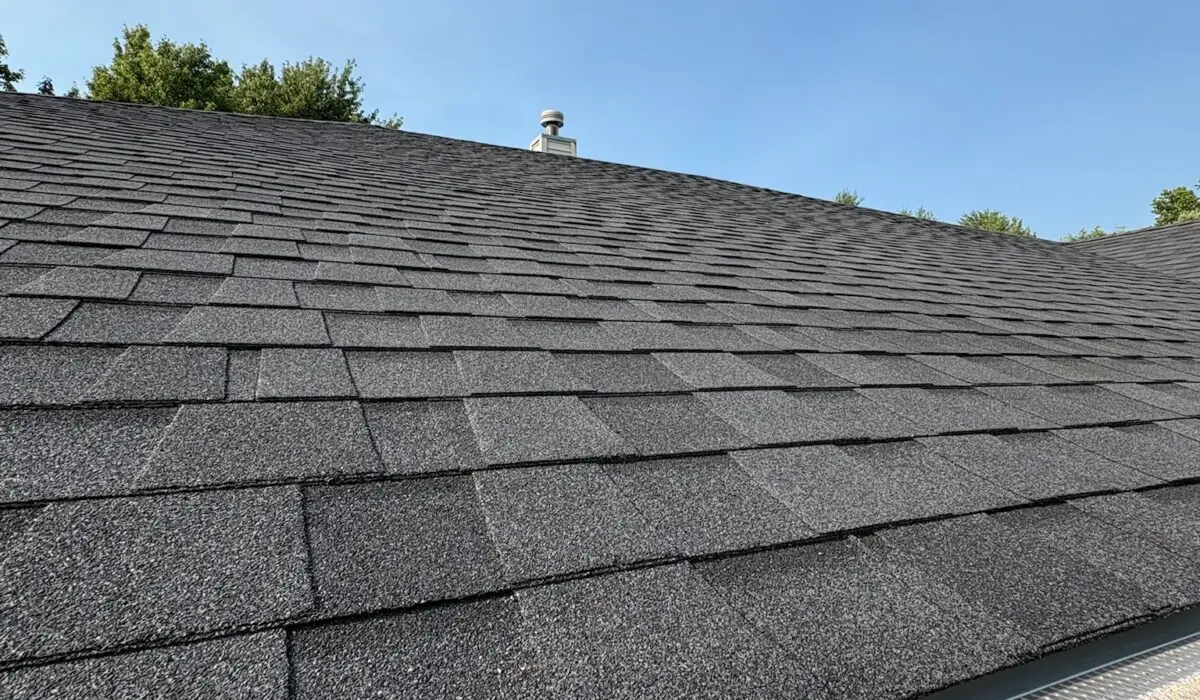
Gutters are one of the most overlooked parts of a home’s exterior, yet they play a critical role in protecting your roof, siding, landscaping, and foundation from preventable water damage. If you’ve ever wondered how gutters protect your roof and foundation, the answer is straightforward: they collect rainwater running off your roof and channel it safely away from your home before it can cause structural damage, basement flooding, or costly repairs.
Key Takeaways
Gutters collect roof runoff and direct rainwater through downspouts to discharge points several feet away from your home. Without this controlled path, water would pour off the roof edge in sheets, saturating the soil around the foundation, backing up under shingles, and overwhelming basement waterproofing systems. A functional gutter system is the first line of defense against water damage for every part of your home’s exterior.
Here’s what properly functioning gutters do:
- Protect your roof by preventing water from backing up under shingles, reducing ice dam formation, and stopping fascia and soffit rot
- Protect your foundation by preventing soil erosion, reducing hydrostatic pressure against basement walls, and minimizing basement water problems
- Shield siding, windows, landscaping, and hardscapes from concentrated flow and excess moisture
In Northeast Ohio, where Cleveland averages about 41 inches of annual precipitation and nearly 64 inches of snow, homes in Lakewood, Rocky River, Parma, and surrounding cities rely heavily on a properly maintained roof and gutter system. Phoenix Roofing & Solar provides professional gutter installation, gutter guards, roof inspections, and ongoing maintenance to help homeowners across the region prevent water damage before it starts.
What Do Gutters Actually Do?
Rain gutters and downspouts form a complete drainage system that manages roof runoff from the moment water hits your shingles until it reaches a safe discharge point away from your home. Gutters serve as a crucial water management system that most homeowners take for granted until something goes wrong.
Here’s how gutters work, step by step:
- Roof surface – rain or snowmelt flows down shingles toward the roof edge
- Gutter troughs – channeling water laterally along a slight slope toward outlets
- Downspouts – carrying water vertically to ground level
- Extensions or underground drainage systems – directing water 5–10 feet away from the foundation to a safe daylight outlet
Without this path, uncontrolled runoff can erode soil, saturate the ground near the foundation, stain siding, and overwhelm basement waterproofing. Effective water management is essential to prevent heavy runoff from overwhelming foundations and crawl spaces.
To put the volume in perspective, one inch of rain can produce about 624 gallons of runoff from a typical roof. Gutters can handle roughly 624 gallons per 1,000 square feet of rain hitting the roof surface. In Northeast Ohio communities like Westlake, Avon Lake, and Strongsville, even a single summer thunderstorm can send that volume cascading off a home in under an hour, which is why correctly sized seamless gutters and clear downspouts are essential for proper drainage.
How Gutters Protect Your Roof
Gutters help the roof by keeping water moving off edges instead of pooling at the eaves. When water flows freely through gutters and downspouts, it protects shingles, roof decking, fascia, and attic areas from moisture intrusion that shortens roof lifespan and leads to expensive repairs.
Prevent Water from Backing Up Under Shingles
When gutters are missing or clogged gutters overflow, water has nowhere to go but backward. It wicks under shingles at the roof edge, seeps into underlayment, and saturates the roof deck. Over time, this causes leaks, mold and mildew growth, and structural deterioration of the decking beneath.
Clogged gutters can cause water to back up and damage roofs even during moderate rainfall. Correctly pitched seamless gutters with a drop of roughly a quarter inch per 10 feet, combined with clear downspouts, keep roof runoff flowing during heavy rains so overflowing water never reaches the shingle edge. Gutters also prevent debris accumulation on the roof surface by catching leaves and granules at the trough rather than letting them pile up along the drip line.
Reduce Ice Dam Formation
Ice dams are a familiar winter problem across Cleveland and the Lake Erie shoreline. They form when heat escaping from the attic melts snow on the upper roof, and the meltwater runs down to the colder eaves where it refreezes. Gutters prevent ice dams by ensuring melting snow has a clear path off the roof, but when gutters are clogged or full of frozen debris, they trap water behind the growing ice mass.
Northeast Ohio homes experience 60 to 90 freeze-thaw crossings per winter, and ice dam formation is one of the top causes of roof edge failure each February. Clean, well-sloped gutters combined with proper attic insulation and ventilation significantly reduce the pooling water that feeds ice dams and winter leaks. Ice dam remediation services in the Cleveland area can cost $500 per hour or more, making prevention far cheaper than the cure.
Protect Roof Decking, Fascia, and Soffit
Roof decking is the sheathing beneath your shingles. Fascia is the board running along the roof edge, and the soffit is the underside of the overhang. Chronic gutter overflow saturates these wood components, leading to fascia damage, soffit rot, and eventually structural problems that require costly roof repair or full replacement.
Phoenix Roofing & Solar often finds hidden decking damage in Lakewood and Parma during roof inspections where damaged gutters have leaked or pulled away from fascia for years. By the time homeowners notice ceiling stains or damp insulation, structural damage has often been progressing for multiple seasons.
Extend Roof Lifespan
Asphalt shingle roofs carry manufacturer ratings of 20 to 25 years, but premature failure from curling, blistering, and granule loss is frequently caused by water intrusion under shingles, saturated decking, or repeated ice dam damage. A healthy gutter system prevents water from backing up onto the roof and can add years to a roof’s useful life.
Regular gutter cleaning and optional gutter guards are part of overall roof maintenance, just like periodic roof inspections. When your roofing materials stay dry and your fascia stays solid, the entire roof system performs as designed.
How Gutters Protect Your Foundation
Gutters protect your foundation by controlling exactly where water hits the ground. Instead of sheets of runoff pounding the soil along the drip line, downspouts carry water to extensions or drains that discharge it away from the house, directly reducing soil erosion, hydrostatic pressure, and basement water problems. Foundation repairs can exceed $10,000 when water damage is left unchecked, so foundation protection gutters provide is well worth the investment.
Soil erosion and soil movement. Gutters prevent soil erosion by directing water away from foundations. Without gutters, concentrated flow from the roof edge washes away topsoil, exposes footings, and alters the grade near the foundation so water drains inward rather than away from the foundation.
Hydrostatic pressure. Water pooling around foundations can create hydrostatic pressure, which is saturated soil pushing inward against concrete walls. Northeast Ohio’s heavy clay soils from Elyria to Lorain are particularly prone to this. Over time, hydrostatic pressure causes foundation cracks, bowing walls, and soil saturation that destabilizes footings. Properly installed gutters and downspout extensions keep perimeter soil drier and reduce this pressure.
Basement flooding and crawl spaces. Gutters prevent basement flooding by directing rain and snowmelt away from the foundation. When clogged gutters damage the drainage path by dumping excess water right at the home’s foundation, seepage through porous block or poured concrete increases, sump pumps run more often, and musty mold growth develops. Even homes with french drains and interior waterproofing benefit from functional exterior drainage because it reduces how much water reaches those systems in the first place.
Long-term structural integrity. Fewer foundation issues mean fewer structural repairs, less risk of moldy basements, more stable walkways and driveways, and better performance from existing waterproofing. Gutters should direct water at least 5–10 feet from the foundation using downspout extensions, splash blocks, or underground drainage systems for maximum foundation protection.
Other Parts of Your Home Gutters Help Protect
While most people think of roof and foundation protection, gutters also quietly protect many other features of your home’s exterior.
- Siding – Overflowing gutters spray dirty water down walls, causing stains on vinyl, rot on wood, and premature failure on fiber cement. Gutters limit water staining on siding and prevent landscaping erosion along the foundation.
- Windows and door frames – Proper downspout placement keeps concentrated runoff away from sills, frames, and thresholds, preventing leaks and swollen, sticky doors.
- Landscaping and topsoil – Controlled drainage avoids constant washouts in planting beds, mulch displacement, and root rot in shrubs near the house.
- Exterior paint, brick, and masonry – Managed roof runoff minimizes efflorescence on brick, mortar spalling, and peeling paint on older Cleveland homes and century homes in Lakewood and Rocky River.
- Decks, patios, and walkways – Redirecting excess water away from these surfaces reduces heaving from freeze-thaw cycles, cracking, slippery algae, and trip hazards.
Warning Signs Your Gutters Aren’t Working Properly
Catching gutter problems early is one of the easiest ways to protect your home from avoidable water damage. Regular inspection and cleaning of gutters are necessary to prevent clogging and overflowing, but knowing what to look for helps you act before minor issues become structural problems.
Outside visual signs:
- Overflowing gutters during rain or water streaming behind the gutter trough
- Sagging sections, loose hangers, or gutters pulling away from fascia boards
- Rust streaks, peeling paint on fascia or soffits
Ground-level clues:
- Soil erosion trenches below the roof edge
- Standing water or ice near the foundation
- Washed-out mulch or debris buildup splashing onto lower siding
Interior and basement warnings:
- Damp basement corners, musty smells, or excessive water near sill plates
- Mildew growth on basement walls or crawl space joists
- Water stains on ceilings near exterior walls
Frequent icicles or ice dams in winter suggest poor gutter performance combined with inadequate insulation. Northeast Ohio homeowners in Bay Village, Avon, and North Olmsted should schedule professional roof and gutter inspections if they notice any of these signs rather than waiting for major foundation damage.
Common Causes of Gutter Problems
Most gutter failures trace back to a few preventable causes. Understanding them helps you prioritize gutter upkeep and avoid expensive repairs.
- Clogged gutters – Leaves, twigs, maple seed pods, shingle granules, and other debris block water flow. Even small blockages force water over the front or back of the trough, defeating the entire system.
- Poor gutter installation – Incorrect slope, too few hangers, undersized downspouts, or cheap sectional systems with many seams are all common installation errors.
- Undersized gutters – Many older Northeast Ohio homes have 5-inch gutters where a 6-inch system would be more appropriate. A standard 5-inch gutter handles approximately 5,500 square feet of roof drainage, while 6-inch gutters can handle roughly 7,900 square feet of drainage capacity. Homes with large or steep roofs often need the upgrade.
- Physical damage – Storm damage, falling branches, ladder impacts, and ice buildup can bend troughs, open seams, and loosen fasteners.
- Freeze-thaw stress – Homes in Strongsville and Parma regularly see gutters pulled loose by heavy ice when systems aren’t installed with robust hangers into solid fascia.
Seamless Gutters vs. Sectional Gutters
Gutter replacement is an opportunity to upgrade from older sectional systems to seamless aluminum gutters that offer better long-term roof and foundation protection. Seamless gutters are formed in one continuous piece on-site for each run, with seams only at corners and downspout outlets. Sectional systems use pre-cut lengths joined every 10 to 20 feet, creating multiple potential leak points.
| Feature | Seamless Gutters | Sectional Gutters |
|---|---|---|
| Seams per 40 ft run | 2–4 (corners and outlets only) | 4–5 or more joints |
| Leak potential | Low – very few weak points | Higher – sealant degrades at each joint |
| Lifespan | 20–30+ years (aluminum) | 10–15 years before significant repairs |
| Maintenance | Lower – fewer joints to reseal | Higher – frequent resealing and section replacement |
| Upfront cost | Higher (professional equipment required) | Lower (DIY-friendly materials) |
| Appearance | Clean, uniform visual line | Visible seams, less consistent |
Seamless gutters have fewer leak points than sectional gutters, which directly improves roof and foundation protection over decades. Aluminum gutters typically last 20–30 years with proper maintenance, while copper gutters can last 50 years or more due to their durability. Phoenix Roofing & Solar installs seamless aluminum systems, often in 5-inch or 6-inch K-style profiles, for homes from Cleveland to Avon Lake. A new gutter system with fewer seams means fewer opportunities for water to damage fascia, siding, or the soil near the foundation.
Should You Install Gutter Guards?
Gutter guards don’t replace gutters. They’re an accessory designed to keep gutters from clogging, which supports consistent roof drainage and foundation protection. Think of them as a maintenance reducer, not a maintenance eliminator.
Main types:
- Perforated metal covers – allow water through small holes while blocking larger debris
- Micro-mesh systems – fine stainless steel mesh that blocks even small particles like shingle granules and pine needles
- Surface tension (reverse-curve) designs – use surface tension to guide water into the gutter while debris slides off the edge
Pros:
- Reduced gutter cleaning frequency
- More reliable water flow during storms
- Less risk of clogged gutters damage to fascia and foundations
- Fewer dangerous ladder climbs
Cons and realistic expectations:
- Guards still need periodic maintenance and inspection
- Some designs can accumulate fine debris on the surface over time
- Low-quality plastic or foam products often fail in Northeast Ohio’s freeze-thaw conditions
For heavily treed neighborhoods like Rocky River and Bay Village, professional-grade micro-mesh or metal covers are usually the best investment. Phoenix Roofing & Solar can evaluate whether guards make sense for your specific roof and gutter system during a professional inspection.
How Often Should Gutters Be Cleaned in Northeast Ohio?
Gutters should be cleaned at least twice a year for most homes. If you have large trees over the roof or heavy leaf and seed drop, plan on 3 to 4 cleanings annually.
Seasonal schedule for Northeast Ohio:
- Early spring – clear winter debris, check for ice damage, verify downspouts are open
- Late spring/early summer – remove maple helicopters and seed pods, especially common in Lakewood and Fairview Park
- Late fall – clean after the majority of leaves have dropped, particularly oak leaves and acorns in North Olmsted and Avon
Gutter cleaning from ladders injures thousands of homeowners every year. Hiring a professional roofer or gutter company for cleaning, roof inspections, and minor repairs is often the safer and more thorough choice. Homes with quality gutter guards may only need a light annual check to clear surface debris and verify water flows properly through downspouts.
Why Gutters Are Especially Important in Northeast Ohio
Northeast Ohio’s weather puts extra demands on every home’s roof and gutter system. Cleveland experiences heavy rainfall and substantial winter snow accumulation, with seasonal snowfall averaging nearly 64 inches. For comparison, Michigan receives an average of 30–35 inches of precipitation annually, yet Cleveland matches or exceeds that liquid equivalent while also contending with lake-effect snow events that can dump 40 to 60 inches of snow in a 24- to 48-hour window.
Heavy spring rain and summer thunderstorms along the I-90 and I-480 corridors can overwhelm undersized or poorly maintained gutters, leading to basement water problems and soil erosion. Fall leaves in communities like Avon, Westlake, and Bay Village quickly clog open gutters if not cleaned, causing overflow right where gutters should protect foundations.
Winter introduces freeze-thaw cycles that melt and refreeze moisture in gutters and downspouts overnight, increasing weight on hangers, loosening fasteners, and feeding ice dams when gutter upkeep or attic ventilation is inadequate. Because of these combined conditions, Phoenix Roofing & Solar recommends properly sized seamless aluminum gutters, correctly placed downspouts with extensions, and routine inspections as part of every long-term roof maintenance plan across the Cleveland area.
Frequently Asked Questions
Homeowners across Cleveland, Parma, Elyria, Lorain, and surrounding cities often ask similar questions about how gutters protect roofs and foundations. Here are the answers to the most common ones.
How often should gutters be replaced?
Quality seamless aluminum gutters typically last 20 to 30 years in Northeast Ohio when properly installed and maintained. Earlier gutter replacement may be needed if you’re dealing with chronic leaking, sagging, fascia damage, or repeated repairs that suggest the system has reached the end of its useful life.
Do clogged gutters really damage roofs and foundations?
Yes. Clogged gutters force water under shingles, into fascia and soffit, and over the gutter edge where it saturates soil against the foundation. This increases the risk of roof leaks, structural damage, and basement water intrusion. Regular maintenance and proper gutter cleaning prevent most of these problems.
Can bad gutters cause foundation problems even if I have interior waterproofing?
Interior drains and sump pumps handle water after it reaches the foundation, but properly functioning gutters and downspouts reduce how much water gets there in the first place. Exterior drainage is still critical for reducing excess moisture, hydrostatic pressure, and foundation issues over time.
Are seamless gutters worth the extra cost?
For most Northeast Ohio homes, seamless gutters are worth it. Fewer seams mean fewer leak points over decades, better appearance, and less maintenance. The upfront premium is typically offset by lower long-term repair costs and better roof and foundation protection.
How far should downspouts discharge water from my home?
Phoenix Roofing & Solar generally recommends downspout extensions that carry water at least 5 to 10 feet away from the foundation on level lots and farther on slopes. In some cases, tying downspouts into underground drainage or daylight outlets provides maximum foundation protection and keeps excess water well away from your home.
Your gutters are working every day to protect your roof, foundation, and everything in between. Don’t wait for water stains, basement moisture, or foundation cracks to tell you something is wrong. If you’ve noticed any of the warning signs above, or if it’s been more than a year since your last inspection, schedule a free roof and gutter inspection with Phoenix Roofing & Solar. We help homeowners across Cleveland, Lakewood, Rocky River, Westlake, Bay Village, Parma, Elyria, Lorain, Avon, Avon Lake, North Olmsted, Fairview Park, and Strongsville protect their homes from preventable water damage with proper gutter installation, seamless gutter systems, gutter guards, and honest maintenance recommendations built to handle Northeast Ohio’s toughest weather.