
- 0 Comment
Most storm-related roof leaks don’t start with water dripping through the ceiling. They start weeks or months earlier, with damage so subtle that homeowners walk past it every day without noticing. Here’s how to find those problems before they find you.
Key Takeaways
- In Northeast Ohio, most roof leaks after severe storms begin as small, hidden issues caused by wind, hail, or heavy rain that homeowners can identify early with the right knowledge.
- Common signs include missing or damaged shingles, granule loss in gutters, dents on metal roof vents, loose flashing, musty odors, and damp insulation in the attic – even when there’s no visible roof leak yet.
- Water almost never drips straight down through a roof. It travels along decking, rafters, and insulation for weeks or months before appearing as a small stain on a ceiling, which is why a roof inspection after a storm is critical.
- Phoenix Roofing & Solar offers free, professional storm damage roof inspections across Northeast Ohio – including Cleveland, Lakewood, Rocky River, Westlake, Avon, Elyria, Lorain, Strongsville, and nearby communities – to catch hidden damage early and assist with insurance claims.
Why Storm Damage Isn’t Always Obvious
Picture this: a March thunderstorm rolls through Cleveland with 55 mph gusts and pea-sized hail. From the driveway, everything looks fine. No shingles in the yard. No holes in the roof. Four months later, a July rainstorm sends water streaming down a bedroom wall.
Modern asphalt shingles hide storm damage well. The roofing system includes multiple layers – granules, asphalt coating, a fiberglass shingle mat, adhesive seal strips, and underlayment – and any one of these can fail without the surface looking different. High winds and freeze-thaw cycles can loosen roofing materials and flashings over time, weakening the roof’s ability to shed water even though the roof covering appears intact.
Water takes indirect paths. It can run sideways along the roof deck, follow a rafter or truss for several feet, soak into insulation, and finally show up as a ceiling stain in a completely different room from where the roof damage occurred. That migration delay is why identifying storm damage on a property involves both ground-level inspections and interior checks – not just a quick glance upward.
Hidden damage beneath shingles includes hail bruising on the mat, broken adhesive seals from high winds, and small punctures from flying debris. A quick visual glance from the street won’t reveal any of these. By the time you notice peeling paint, bubbling drywall, or musty odors, the damage has usually been progressing for weeks and repairs are significantly more expensive.
The Most Common Types of Storm Damage
Not all roof storm damage looks the same. Wind, hail, heavy rain, and debris each create distinct damage patterns on shingles, flashing, and gutters. Understanding these categories helps you describe what you see to a roofing contractor or insurance adjuster.
In Northeast Ohio, spring and summer thunderstorms typically deliver wind and hail damage, while late-fall and winter storms add sustained heavy rain, wet snow, and ice-related problems. Many of these issues won’t cause an immediate roof leak, but they weaken the system so that the next storm finishes the job.
Wind Damage
Straight-line winds and gusts over 40–50 mph – common in Lakewood, Parma, and North Olmsted thunderstorms – can break the adhesive seal between shingle tabs and lift them from the roof surface. High winds can cause shingles to loosen or blow away, and even shingles that settle back down may have permanently broken seals that let wind driven rain underneath.
Signs of wind damage include:
- Lifted shingles – edges that appear raised or flutter, even slightly
- Creased shingles – a horizontal fold line near the bottom edge where the shingle bent and cracked internally, compromising its structural integrity
- Missing shingles – dark rectangular patches on the roof, most common along ridges, corners, and windward edges, since missing shingles can create entry points for water
- Damaged ridge caps – cracked, split, or missing cap pieces that open a direct path for moisture into the ridge line
High winds can lift or loosen shingles during storms even when gusts don’t seem extreme at ground level, because wind speeds are considerably higher at roof height.
Hail Damage
Northeast Ohio regularly sees pea- to quarter-sized hail, and 2026 alone brought 207 hail reports across Ohio, including events in Cuyahoga County. That may not seem severe, but even smaller hail can shorten the life of a hail damage roof.
Granule loss appears as dime- to quarter-sized dark spots where protective granules are knocked off, exposing black asphalt. Loose granules washing into gutters or collecting at downspout outlets are a key clue – granule loss on shingles can indicate storm damage even when the roof looks normal from the street.
Hail bruising creates soft spots that feel spongy under light finger pressure. The fiberglass mat beneath the surface is fractured, but the damage may not be visible from the ground. Hail can bruise shingles and create micro-fractures that worsen through freeze-thaw cycles.
On older or brittle roofs, cracked shingles show tiny radial cracks around impact points. Look for dents in aluminum siding or metal fixtures indicating hail damage, and check metal gutters, pipe boots, chimney caps, and roof vents for dents – these are some of the easiest ground-level confirmation of hail impacts.
A professional hail damage inspection is usually needed to distinguish true hail impacts from normal aging and premature wear. Schedule a professional inspection after significant hail events.
Heavy Rain Damage
Sustained heavy rain – like multi-day storms rolling off Lake Erie – doesn’t usually break shingles, but it exploits every weakness in the roofing system. Heavy rain can force moisture into roofs through existing cracks, gaps in flashing, and loosened shingle edges.
Damaged flashing can lead to water leaks around roof penetrations including chimneys, skylights, sidewalls, and valleys. Old caulking separates, metal seams rust, and wind-driven rain pushes water into gaps that stayed dry during lighter rainfall.
Once underlayment and the roof deck repeatedly get wet, they lose strength. OSB panels swell and delaminate, nails loosen, and soft spots form. Clogged gutters during heavy rain compound the problem by causing water to back up under the first row of shingles and behind fascia boards, where it can trap moisture and start rot.
Tree and Debris Damage
Common Northeast Ohio scenarios include maple or oak branches snapping in a Rocky River windstorm, or other debris blown from neighboring properties in Bay Village and Avon Lake. Flying debris can crack or dent shingles during storms, and large limbs can crush gutters or puncture the roof surface entirely.
Subtler issues include displaced shingles or broken seals where small branches scrape across the roof covering, leaving lines of missing granules. Bent flashing at roof edges, valleys, or around chimneys often results from debris impacts that homeowners don’t notice until a later rain exposes the gap.
Heavy impacts can also crack rafters or decking beneath the surface, leading to structural damage such as sagging roof planes. These structural issues may not be visible immediately but develop over time as the weakened roof structure takes on additional weather loads.
Warning Signs Your Roof May Have Storm Damage
Homeowners in Cleveland, Lorain, Elyria, and surrounding areas can spot many early warning signs of roof damage without climbing a ladder. Here are the common signs to watch for:
Exterior clues:
- Shingles or shingle pieces in the yard, on decks, or in flower beds
- Shiny exposed nail heads along roof edges visible from the ground
- Dark or bare-looking patches where shingle granules are missing
- Inspect for missing, cracked, or curled shingles to assess storm-related roof damage
Gutters and drainage:
- Check for excessive asphalt granules in gutters, which indicate damaged shingles
- Dented gutters can indicate severe storm impact – dented or bent downspouts and metal trim confirm hail was strong enough to affect the roof
- Inspect gutters and downspouts for pooled water and debris to ensure proper drainage
Flashing and penetrations:
- Loose, twisted, or missing flashing around chimneys, sidewalls, and above garages
- Check window seals and siding for gaps that may allow water intrusion
Interior clues:
- Water stains on ceilings indicate possible roof leaks
- Peeling paint on upper walls
- Musty odors indoors may signal hidden roof leaks – even a musty smell in a closet or hallway counts
- Damp insulation in the attic suggests a roof leak
- Missing or damaged shingles increase the risk of leaks, even before water appears inside
Sagging roof sections visible from the street are a serious red flag requiring immediate professional attention. Any visible dents on roof vents, metal pipe boots, or ridge vents should trigger a professional roof inspection.
How to Safely Inspect Your Roof After a Storm
Stay off the roof. Surfaces may be wet, loose shingles create slip hazards, and hidden structural damage could make sections unsafe. Perform inspections following severe weather to prevent leaks before they occur – but do it from the ground and attic.
Ground-level checklist:
- Walk the full perimeter of your home, checking each side
- Inspect roofs from the ground using binoculars after storms – look at each roof slope, ridge line, and edge
- Check all visible flashing, roof vents, and pipe boots for displacement or damage
- Look at gutters and downspouts for granule buildup, dents, pulled-away sections, and overflow staining on siding
- A proper inspection should assess shingles, flashing, and gutters – note anything that looks different from before the storm
Attic inspection:
- Use a flashlight to check the attic for damp insulation and water stains on wood – dark streaks on decking, rusty nails, and daylight through nail holes are all red flags
- Inspect your attic for water stains and damp insulation, and note any musty odors or visible mold
Documentation:
- Take clear photos of visible damage immediately after the storm – date-stamped wide shots of each side of your home plus close-ups of dents, loose shingles, and interior stains
- Document visible damage with clear photos before cleanup for potential insurance claim use
If there is any active leak with water dripping or obvious structural concern like a sagging ceiling, call for emergency roof repair immediately. Avoid touching wet electrical fixtures and keep people out of affected rooms.
Even if your check looks “mostly okay,” homeowners in Lakewood, Fairview Park, Parma, Parma Heights, and neighboring cities should schedule a professional storm damage inspection. What looks fine from the ground often tells a different story up close.
Hidden Storm Damage Most Homeowners Miss
Phoenix Roofing & Solar often finds serious roof damage on homes in Westlake, Avon, and Strongsville where the owner assumed everything was fine because there were no visible leaks. Here’s what gets missed:
- Broken adhesive seals – Lifted shingles may lay flat again after a storm but no longer resist wind driven rain. This is only detectable by gently checking shingle tabs during a professional roof inspection.
- Creased shingles – A faint horizontal line where the internal fiberglass mat is broken. These look minor but are likely to tear completely in the next storm, causing shingle damage that leads to future leaks.
- Damaged underlayment and soft decking – Felt or synthetic underlayment degrades with repeated moisture exposure. Soft spots on the roof deck feel spongy underfoot during an on-roof inspection but are invisible from the ground.
- Hairline flashing failures – Tiny separations or pinholes at bends and nail points in metal flashing cause slow, intermittent leaks around chimneys, skylights, and sidewalls.
- Ridge vent and pipe boot deterioration – UV-brittle rubber pipe boots crack, plastic housings split, and loose fasteners allow water intrusion around roof penetrations. Even on residential and commercial roofs, these components are commonly overlooked.
For hidden roof damage, consider local contractor inspections after major storms. These hidden problems often surface weeks or months later as musty odors, attic moisture, damaged insulation, or a small stain on the ceiling rather than an obvious, active drip. Improper installation of these components during the original build can make them even more vulnerable to storm events.
What Happens If Storm Damage Is Ignored?
A homeowner in Lorain ignored a few missing shingles after a June storm. By October, water had soaked through the roof deck, rotted the decking, stained walls and ceilings in two rooms, and created mold growth behind the drywall. What could have been a straightforward roof repair became a costly water damage remediation project.
Here’s the typical progression when storm damage goes untreated:
- Minor damage allows small leaks and slow water intrusion
- Decking and insulation absorb moisture – wet insulation loses R-value, and saturated decking starts to rot
- Loose shingles deteriorate further, and further damage accelerates with each rain
- Active drips develop, staining ceilings and walls
- Mold and mildew grow in damp spaces, producing musty odors and degrading indoor air quality – especially problematic in closed-up Northeast Ohio winter homes
Investigate foundation and basement for cracks and signs of moisture after storms as well, since water damage can extend below the roofline.
Energy costs rise as damaged insulation fails to insulate. Structural concerns compound: rotten roof deck, weakened rafters, and potential structural issues can make a future roof replacement far more expensive – sometimes requiring a full replacement of decking and structural members rather than just a roof covering swap. As a roof ages, these compounding problems only get worse.
The contrast is stark: timely repair of a few damaged areas might cost a fraction of what major remediation runs when visible damage is finally impossible to ignore.
Does Homeowners Insurance Cover Storm Damage?
Most standard homeowners policies in Ohio cover sudden and accidental damage from wind, hail, and falling trees. However, details vary significantly by carrier and policy type.
RCV vs. ACV coverage:
- Replacement Cost Value (RCV) pays the full cost to repair or replace minus your deductible
- Actual Cash Value (ACV) pays the depreciated value based on roof age – on a 15-year-old roof, this can mean a substantially lower payout
What’s typically covered:
| Damage Type | Usually Covered? | Notes |
|---|---|---|
| Wind damage (missing/lifted shingles, flashing) | Yes | Must be from a specific storm event |
| Hail damage (roof, gutters, siding, metal components) | Yes | Even “cosmetic” hail bruising may qualify if it shortens roof life |
| Fallen tree damage | Yes | Tree removal costs may be capped |
| Flood damage | No | Requires separate flood policy |
| Normal wear and tear | No | Age-related deterioration excluded |
Documentation best practices:
- Document the storm’s date and time for insurance claims
- Save weather alerts and hail reports
- Keep copies of inspection findings and receipts for emergency measures, including emergency tarping
- Get a written professional inspection report with photos
Common claim mistakes to avoid:
- Waiting too long to report damage, giving the insurer grounds to dispute the cause
- Attempting DIY repairs that disturb evidence before documentation
- Signing contingency agreements with storm chasers before talking to a trusted local professional roofer
Have a professional storm damage roof inspection report from a reputable roofing contractor before or alongside contacting your insurer. This strengthens your insurance claim significantly.
Why a Professional Storm Damage Inspection Matters
While ground-level checks are valuable, only a trained roofing contractor can safely perform a thorough inspection and document issues for insurance. Professionals are trained to walk steep, potentially slick roofs, recognize weak spots, and follow safety practices that most homeowners don’t have equipment for.
A professional inspection catches what homeowners miss:
- Hail bruising and subtle granule loss patterns
- Creased and lifted shingles with broken seals
- Damaged underlayment and early soft spots in decking
- Flashing micro-failures around roof penetrations
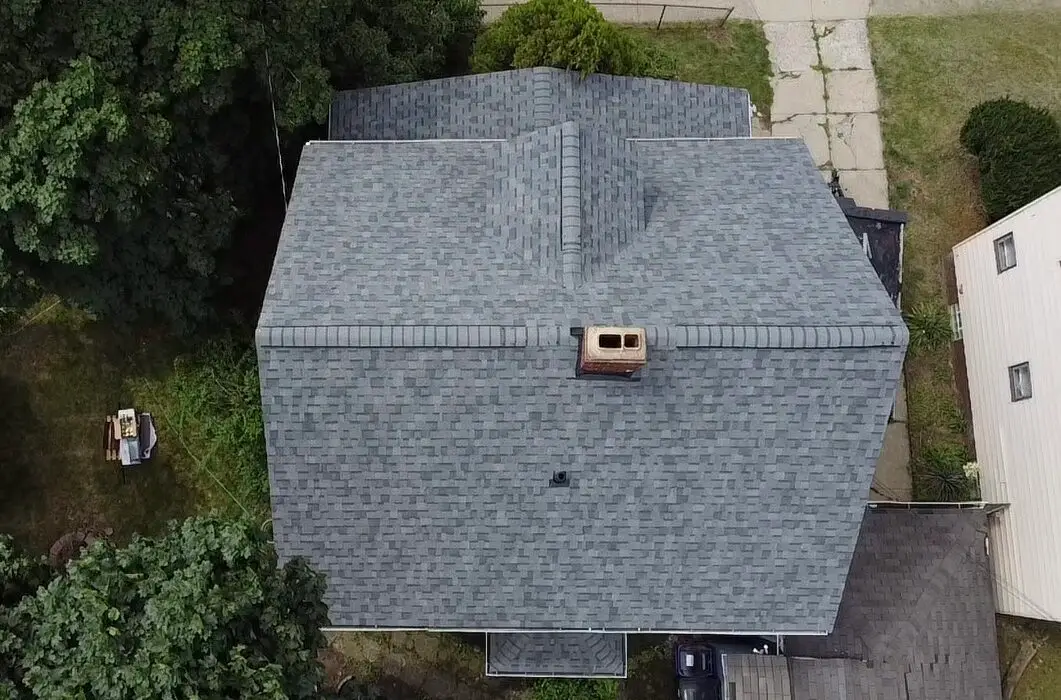
Phoenix Roofing & Solar uses tools like drones for steep or hard-to-access roofs, chalk to highlight hail impacts, and moisture meters in attics to verify suspected water intrusion. Close-up photos of every problem area become part of a detailed written report.
That report helps homeowners understand their options – whether the situation calls for targeted roof repair or a roof replacement after storm damage – and provides the documentation that strengthens insurance claims. Contact a professional for a thorough roof inspection after a storm, even if you’re not sure damage occurred.
Local experience matters. Phoenix Roofing & Solar’s familiarity with weather patterns across Lakewood, Rocky River, Westlake, and Avon Lake helps distinguish genuine storm damage from age-related wear – a distinction that can make or break an insurance claim.
Free storm damage inspections, honest recommendations, high-quality roofing materials, and a focus on long-term solutions instead of temporary fixes are what set a trusted local contractor apart.
Storm Damage Prevention Tips
You can’t stop Northeast Ohio storms, but you can strengthen your roofing system and reduce the risk of leaks when severe storms hit.
- Trim overhanging branches away from the roof and power lines to minimize impact damage and reduce leaf buildup that leads to clogged gutters
- Clean gutters and downspouts at least twice a year – late spring and late fall – and after major storms to prevent water backup and ice dams
- Schedule an annual professional roof inspection, especially once a roof ages past 10–12 years, and always after significant hail or wind events
- Replace damaged components promptly – missing shingles, cracked pipe boots, and loose flashing should be addressed before they cause future leaks rather than waiting for water to appear inside
- Maintain attic ventilation and insulation to reduce heat buildup, moisture issues, and ice dam formation that worsen storm damage
- Address shingle granules loss early – bare spots on shingles that can no longer shed water effectively are an invitation for the next storm to cause a leak
Pairing regular roof maintenance with services like gutter installation and ice dam prevention solutions keeps your entire roofing system working as a unit rather than failing one component at a time.
Frequently Asked Questions
Homeowners across Cleveland, Strongsville, and surrounding communities frequently ask these questions about storm damage and roof leak prevention.
How soon should I schedule a roof inspection after a storm?
Do a quick ground-level check as soon as it’s safe, then schedule a professional inspection within a few days to a week after any significant hail, high wind, or debris-heavy storm. Quick inspections help catch an active leak early and make it easier to connect visible damage to a specific storm date for insurance purposes. If there is active water dripping, sagging ceilings, or obvious structural damage, call for emergency roof repair immediately rather than waiting.
Can hail damage cause leaks months later even if my roof looks fine now?
Yes. Hail can bruise shingles and knock off protective granules without creating an immediate leak. Those bruised and cracked shingles then deteriorate with each freeze-thaw cycle, UV exposure, and rainstorm. Once missing granules leave the asphalt mat exposed, weathering accelerates rapidly. Homeowners who experience hail large enough to dent vehicles, metal gutters, or roof vents should schedule a hail damage inspection even if there are no current leaks.
How do I know if wind damaged my roof if I don’t see missing shingles?
Wind damage often appears as lifted or creased shingles rather than fully missing ones, and these may not be obvious from the ground. Look for secondary clues: shingle pieces or other debris in the yard, debris lines on the roof surface, loosened flashing, or new granule piles in gutters after a windstorm. If nearby homes in Lakewood, Rocky River, or Parma report wind damage from the same storm, having a roofing contractor check for broken shingle seals and subtle creases is a smart move.
Should I call a roofer before filing an insurance claim?
It’s usually wise to call a trusted local roofer first for a free storm damage inspection to confirm whether damage is significant enough to justify a claim. An inspection report with photos helps you speak more confidently with your insurance company and can prevent unnecessary claims on minor issues that don’t exceed your deductible. Phoenix Roofing & Solar can also meet with the adjuster on-site in Northeast Ohio to point out damage and answer technical questions.
Can I safely inspect my own roof, or should I always hire a professional?
Homeowners can and should perform ground-level and attic inspections, but should avoid climbing onto the roof due to slip, fall, and hidden structural risks – especially after a storm when the roof surface may be compromised. A professional roofer is trained and equipped to walk roofs safely, spot subtle shingle damage, and document conditions thoroughly. The best approach is a combination: a quick homeowner check right after the storm to identify obvious warning signs, followed by a professional roof inspection for anything suspected.
Don’t wait for a ceiling stain to tell you what a quick inspection could have caught weeks ago. Storm damage doesn’t fix itself – it gets worse. If your Northeast Ohio home has been through recent severe weather, Phoenix Roofing & Solar is ready to help with a free storm damage roof inspection. Catch hidden damage early, protect your home from costly water damage, and get honest guidance on whether you need a simple repair or something more. Reach out today before the next storm turns a small problem into a big one.