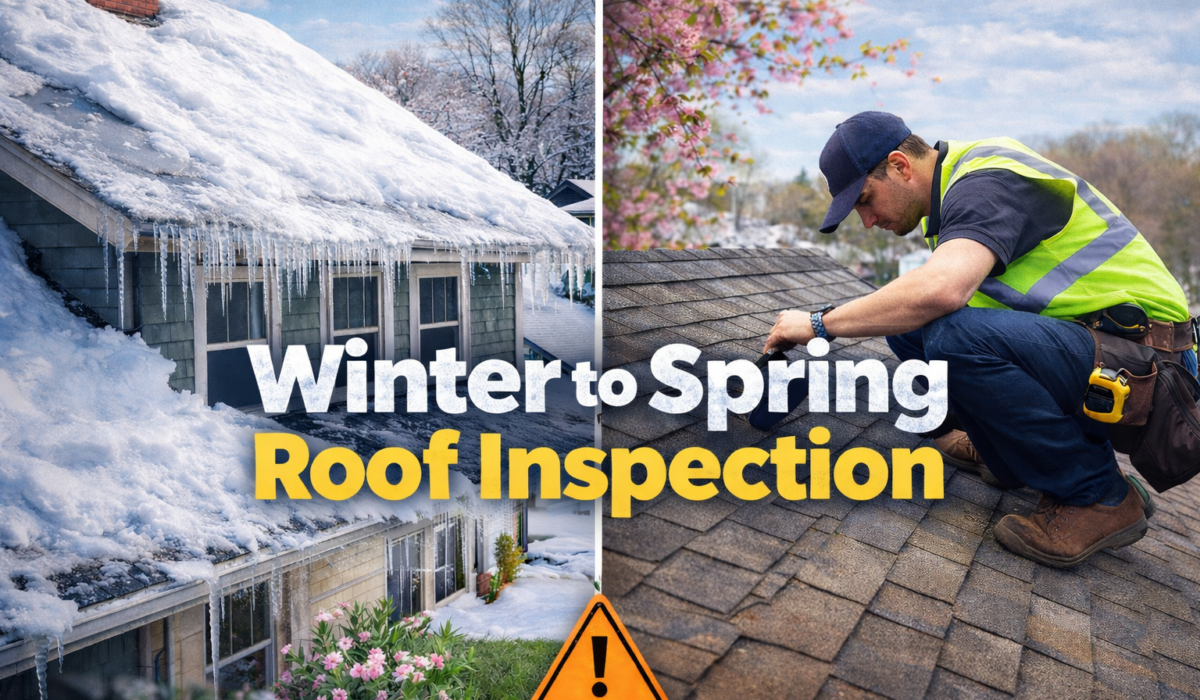
Spring Roof Inspection North East Ohio: Protecting Your Roof and Home Between Inspections
Between inspections, homeowners can protect ohio homes with simple habits:
Clean gutters and downspouts every spring and fall
Trim overhanging limbs to reduce debris and moss
Check after summer storms for shingles in the yard, dented metal, or fresh water stains
Keep records of inspection dates, repairs, warranties, and photos
Ice dams form from heavy winter snow and may cause damage in the following spring. Northeast Ohio roofs are particularly susceptible to ice dam damage due to cold winters and heavy snowfall, which can lead to significant structural issues if not addressed promptly.
At Phoenix Roofing & Solar, we focus on quality workmanship and practical guidance for ohio homeowners. Schedule your free inspection today if you want a professional roof review before the next round of storms.
FAQ: Spring Roof Inspection in Northeast Ohio
How much does a spring roof inspection usually cost in Northeast Ohio?
Paid roof inspections in Ohio typically run between $150 to $500, depending on home size, roof pitch, and complexity. Real estate transaction inspections, often required for closing, tend to be higher and sometimes exceed $500.
Is a spring roof inspection necessary if my roof didn’t leak this winter?
Yes. No visible leaks does not mean the roof is healthy. Damage can hide in underlayment, flashing joints, and the attic until spring rains arrive. A professional inspection catches small issues early.
What signs tell me I should call a professional instead of doing my own check?
Call a professional roof contractor if you see multiple missing shingles, sagging gutters, recurring attic moisture, large ice dams, new ceiling stains, steep roof areas, or complex sections with dormers and valleys.
Can spring roof inspections help with insurance claims for winter damage?
Yes. Standalone insurance documentation reports for roof inspections can cost $300 or more because they require detailed assessment for insurance claims. Ask the inspector to provide photos, dates, and written damage descriptions.
How long does a professional spring roof inspection usually take?
Most inspections for typical single-family Ohio homes take 45 minutes to 2 hours. Complex roofs with skylights, multiple levels, or flat sections may take longer. Reputable companies should also provide comprehensive warranties lasting 5 to 10 years alongside manufacturer material warranties.
Spring Roof Inspection in Northeast Ohio: What Homeowners Should Check After Winter
If you searched “spring roof inspection north east ohio,” start here: the winter-to-spring transition is when hidden roof damage often becomes expensive.
Key Takeaways
Early spring, March through May, is the ideal time for a free roof inspection after snow and ice melt.
Key areas include asphalt shingles, flashing, gutters and downspouts, attic ventilation, and ice dams.
Many issues stay hidden until spring storms and heavy rain arrive, so a professional roof inspection brings peace of mind.
Local professional roof inspectors who understand northeast ohio weather help protect ohio homes long-term.
Why Spring Roof Inspections Matter for Northeast Ohio Homeowners
Northeast Ohio roofs face Lake Erie’s lake-effect snow, freeze-thaw cycles, cold weather, high humidity, temperature fluctuations, and violent spring windstorms. That climate makes roofing materials deteriorate faster, causing warping, cracking, curling, and leaks.
Water regularly seeps into microscopic shingle cracks during winter, then freezes and expands at night. As water moves again during thawing, small issues grow. Many homeowners in Cleveland, Lakewood, Parma, Westlake, Medina, and nearby communities see a roof that looks fine from the ground while moisture, nail pops, or underlayment damage hide underneath.
A spring roof inspection is critical for catching hidden winter damage in Northeast Ohio before heavy spring thunderstorms worsen problems, create minor leaks, and lead to costly repairs.
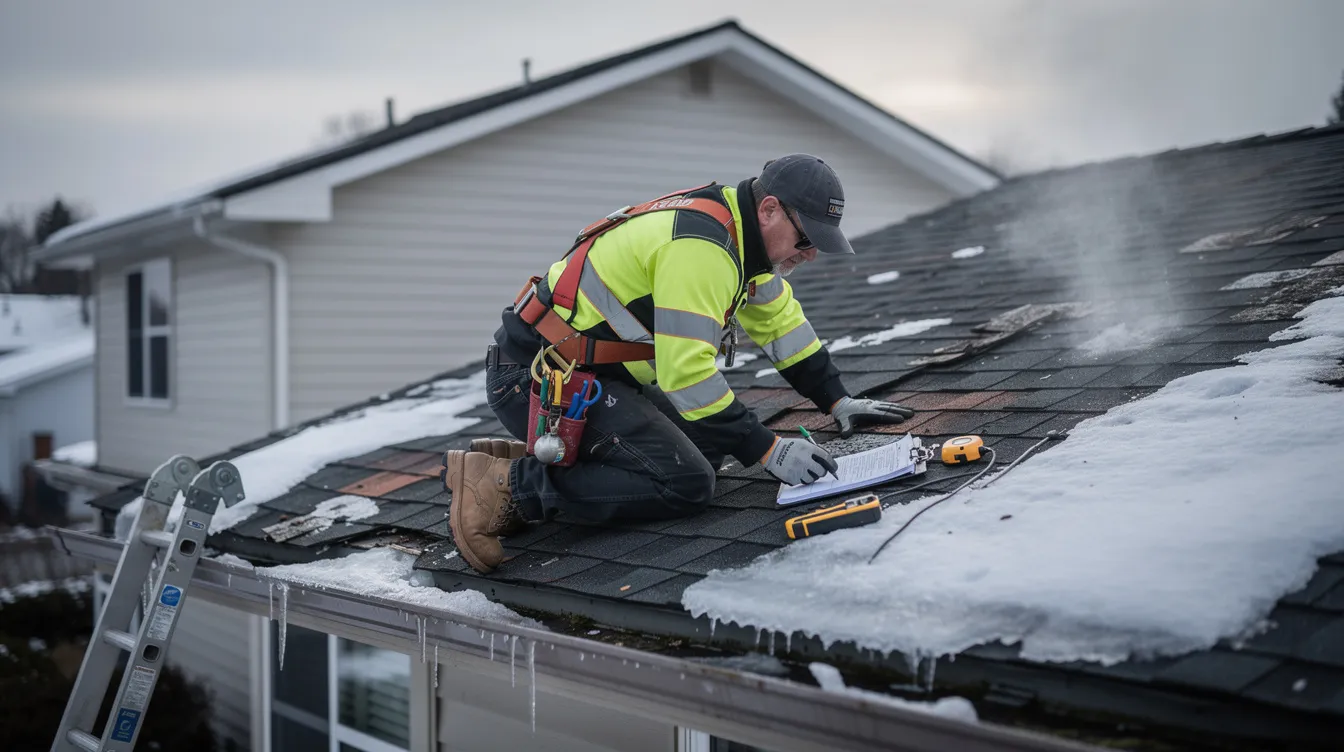
Exterior Roof Surface Review After Winter
A professional roof inspector may walk the roof when safe, or inspect with ladders and binoculars. Homeowners can conduct a DIY roof inspection from the ground using binoculars to look for visible signs of damage and decide when to call a professional.
Look for missing shingles, lifted shingles, creased tabs from wind, cracked or brittle shingles, missing or damaged shingles, damaged shingles, exposed nails, visible wear, and granule loss in gutters. Regular inspection to check for cracked, missing, or curling shingles is crucial to maintain roof integrity after winter.
Damp, cloudy Ohio springs foster organic growth such as moss and algae, particularly on shaded roof sections. Watch for moss growth, moss, algae growth, and dark staining on north-facing slopes, valleys, ridges, and dormers where snow and ice collect. Document damage and provide photos for year-to-year comparison or any insurance claim.
Flashing, Penetrations, and Edge Details That Leak in Spring
Many spring leaks start where materials meet, not in the middle of the roof field. During a roof inspection, it’s important to check critical areas such as flashing, penetrations, and drainage systems, as these are common sources of leaks.
Inspect flashing at chimneys, skylights, roof-to-wall intersections, and valleys for rust, gaps, and failed sealant. Pipe boots, vents, satellite mounts, drip edge, rake edges, and eaves also need attention because freezing temperatures, sliding snow, and ice dams can loosen fasteners.
Proper repairs in spring stop slow leaks before they show indoors in late summer.
Attic & Ventilation Check for Hidden Winter Damage
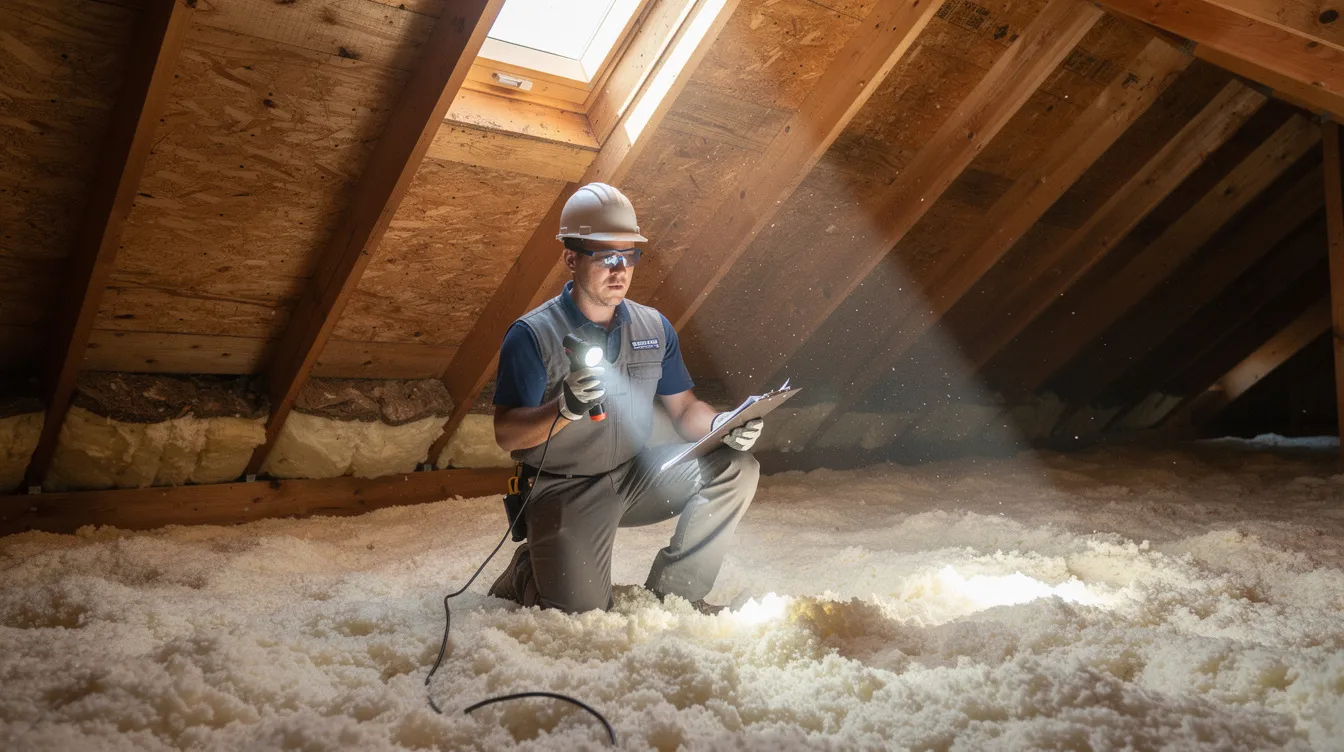
A thorough roof inspection should include an assessment of the attic and ventilation to identify moisture and airflow issues that can affect the roof’s lifespan. Professional roof inspections involve more than a simple visual check from the ground.
In the attic, check roof decking for dark stains, soft spots, old frost lines, rusted roofing nails, damp insulation, matted insulation, mildew odors, and elevated humidity after snow melt. These are red flags that leaks start above the ceiling.
Balanced attic ventilation matters. Ohio building codes mandate 1 square foot of ventilation for every 150 square feet of attic space to prevent heat and moisture buildup. See Ohio’s residential code guidance through Ohio Laws and Administrative Rules. Better intake and exhaust ventilation helps prevent next winter’s ice dams and extends asphalt shingle life.
Drainage, Gutters, and Downspouts After Snow and Ice
Winter-damaged drainage systems often cause spring roof leaks. Heavy snow and ice can bend gutters, loosen hangers, or pull sections away from fascia.
Spring inspections should check clogged gutters, gutters, downspouts, and gutters and downspouts for leaves, shingle granules, and debris from March and April storms. Standing water, overflow at eaves, and erosion near downspout outlets are warning signs.
Poor drainage accelerates fascia rot, siding damage, basement seepage, and future ice dams. Clean gutters every spring and fall, add downspout extensions, and consider guards where trees are nearby.
Common Winter-to-Spring Roof Problems in Northeast Ohio
Here are common issues found on Ohio roofs each spring:
Lifted or missing asphalt shingles
Cracked ridge caps
Exposed nail heads from freeze-thaw movement
Water stains near exterior walls
Peeling paint on upper floors
Warped fascia or soffit boards
Attic mold or mildew
Moss growth on shaded areas
Algae streaks on older roofs
Hail or storm damage after spring storms
Inspect on dry, clear days and avoid inspecting roofs when they are wet, icy, or excessively windy.
When to Schedule a Professional Spring Roof Inspection
Schedule once most snow and ice have melted, typically March through early May in northeast ohio. Most homeowners should also remember that fall is considered the most important season for roof maintenance because it prepares the roof before winter weather arrives.
Homeowners should schedule a roof inspection at least once a year if their roof is over 15 years old, as small problems can escalate quickly in certain climates. Homeowners in Northeast Ohio should be aware that roofs over 15 years old are at a higher risk for damage and should consider more frequent inspections to catch potential issues early. Scheduling a roof inspection before winter is crucial for roofs over 15 years old or those showing visible wear.
If more than 25% of the roof surface is compromised, complete roof replacement is often more cost-effective than scattered repairs. Many local contractors offer a free inspection estimate or free roof inspection. Ask for clear answers, not a sales pitch.
How a Professional Spring Roof Inspection Works
A professional roof inspection is a structured process. During a professional roof inspection, contractors check critical areas such as flashing, penetrations, and drainage systems, which are common sources of leaks and damage.
A typical inspection includes:
Exterior walk-around from the ground
On-roof surface review when safe
Flashing, vents, skylights, and chimneys check
Gutter and downspout assessment
Attic inspection for ventilation and moisture
Northeast ohio homeowners should expect clear recommendations, dated photos, and a written report. A written report with photos is a standard component of a professional roof inspection, providing homeowners with documented evidence of the roof’s condition and any necessary repairs.
For ice dam damage, wind-lifted shingles, or suspected storm damage, that documentation can support an insurance claim.
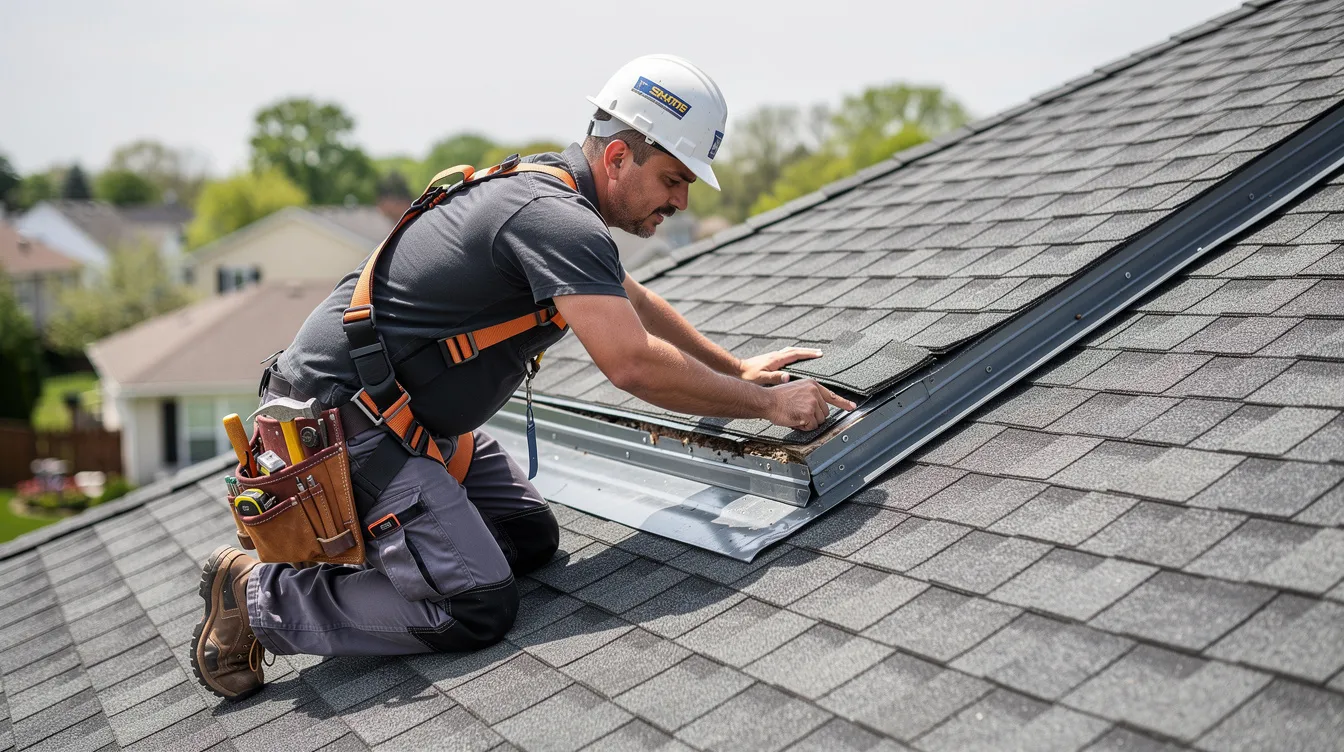
Protecting Your Roof and Home Between Spring Inspections
Between inspections, homeowners can protect ohio homes with simple habits:
Clean gutters and downspouts every spring and fall
Trim overhanging limbs to reduce debris and moss
Check after summer storms for shingles in the yard, dented metal, or fresh water stains
Keep records of inspection dates, repairs, warranties, and photos
Ice dams form from heavy winter snow and may cause damage in the following spring. Northeast Ohio roofs are particularly susceptible to ice dam damage due to cold winters and heavy snowfall, which can lead to significant structural issues if not addressed promptly.
At Phoenix Roofing & Solar, we focus on quality workmanship and practical guidance for ohio homeowners. Schedule your free inspection today if you want a professional roof review before the next round of storms.
FAQ: Spring Roof Inspection in Northeast Ohio
How much does a spring roof inspection usually cost in Northeast Ohio?
Paid roof inspections in Ohio typically run between $150 to $500, depending on home size, roof pitch, and complexity. Real estate transaction inspections, often required for closing, tend to be higher and sometimes exceed $500.
Is a spring roof inspection necessary if my roof didn’t leak this winter?
Yes. No visible leaks does not mean the roof is healthy. Damage can hide in underlayment, flashing joints, and the attic until spring rains arrive. A professional inspection catches small issues early.
What signs tell me I should call a professional instead of doing my own check?
Call a professional roof contractor if you see multiple missing shingles, sagging gutters, recurring attic moisture, large ice dams, new ceiling stains, steep roof areas, or complex sections with dormers and valleys.
Can spring roof inspections help with insurance claims for winter damage?
Yes. Standalone insurance documentation reports for roof inspections can cost $300 or more because they require detailed assessment for insurance claims. Ask the inspector to provide photos, dates, and written damage descriptions.
How long does a professional spring roof inspection usually take?
Most inspections for typical single-family Ohio homes take 45 minutes to 2 hours. Complex roofs with skylights, multiple levels, or flat sections may take longer. Reputable companies should also provide comprehensive warranties lasting 5 to 10 years alongside manufacturer material warranties.