- 0 Comment
Key Takeaways
- Most roof leaks in Fairview Park come from flashing failures, damaged shingles, pipe boots, valleys, skylights, gutters, ice dams, storm damage, and improper past work; not just obvious holes in the roof.
- Water stains inside Fairview Park homes often appear several feet away from where water actually enters because it travels along rafters and roof decking before dripping down.
- Northeast Ohio weather, including Lake Erie wind, heavy rain, winter ice dams, and freeze-thaw cycles, creates hidden weak points on Fairview Park roofs over time.
- Many leaks can be fixed with targeted roof repair rather than a full replacement; a professional roof inspection in Fairview Park OH is the safest way to know which is needed.
- Phoenix Roofing & Solar is a local Fairview Park roofing contractor that provides honest recommendations and thorough roof leak detection and repair.
Introduction: Why Roof Leaks Are So Common in Fairview Park
Roof leaks in Fairview Park rarely start with one dramatic event. They develop from a combination of age, weather stress, and small failures in shingles, flashing, and sealants. The most common causes are damaged or missing shingles, failed roof flashing, chimney flashing problems, deteriorated pipe boots, roof valley issues, skylight leaks, clogged gutters, ice dams, storm damage, and improper previous roofing work.
Fairview Park experiences intense seasonal weather shifts. Lake-effect snow and sub-freezing temperatures impact local roofs from late fall through early spring, while summer thunderstorms bring wind-driven rain. Many roofs in Fairview Park are over 20 years old, and common causes of roof leaks include freeze-thaw cycles and heavy storm winds that exploit aging materials. A ceiling stain in a living room may be several feet from the actual entry point because water travels along decking and rafters before it becomes visible.
Understanding these causes helps Fairview Park homeowners know when to call a roofing contractor for a professional roof inspection and targeted repair.
What Are the Most Common Causes of Roof Leaks?
Here are the ten most frequent sources of roof leaks, each explained in detail in the sections that follow:
- Damaged or missing shingles on Fairview Park roofs
- Failed roof flashing at walls, chimneys, and transitions
- Chimney flashing leaks and masonry issues
- Cracked or deteriorated plumbing vent pipe boots
- Roof valley problems where two roof planes meet
- Skylight leaks from flashing or seal failure
- Clogged or damaged gutters and downspouts
- Ice dams and winter-related roof leaks
- Wind, hail, and other storm damage
- Improper or shortcut-heavy previous roofing work
These issues affect both the asphalt shingles on most Fairview Park homes and the flat roof systems and commercial roofing found along Lorain Road and nearby retail buildings.
1. Missing, Cracked, or Damaged Shingles
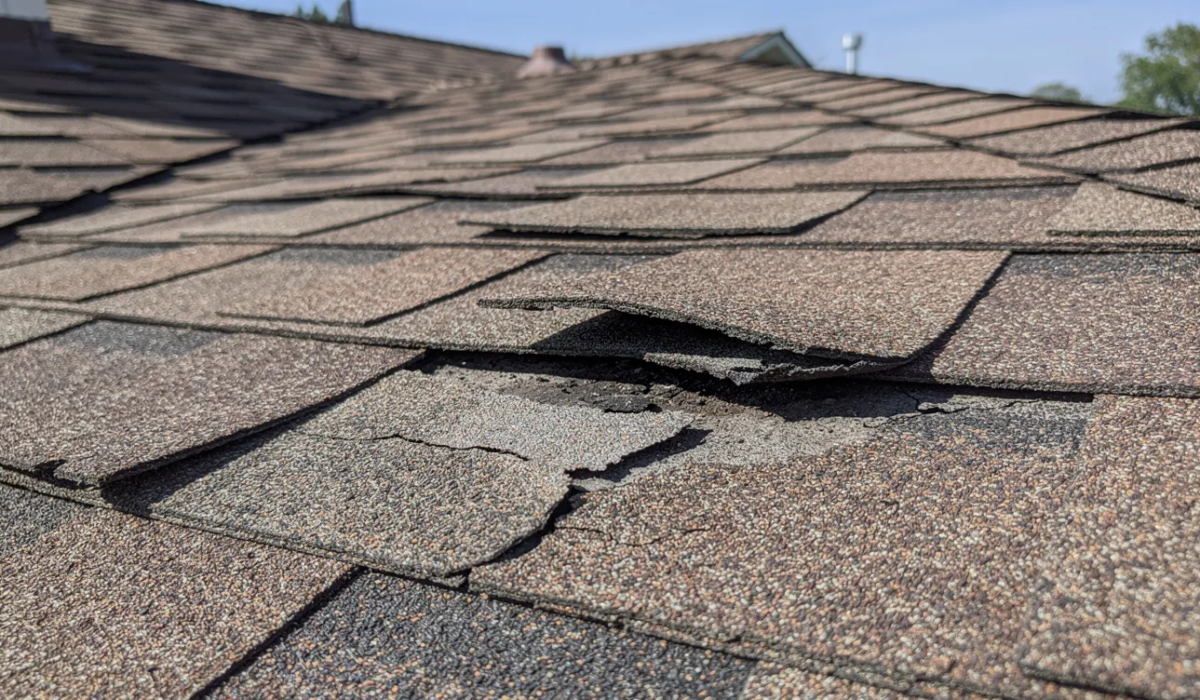
Asphalt shingles are the first line of defense on most Fairview Park homes. Damage does not always mean a shingle is completely gone. Subtle creases, lifted edges, or broken seals can all cause a leaking roof.
Common shingle problems include:
- Missing shingles exposing underlayment or bare decking
- Lifted shingles where wind has broken the adhesive bond
- Creased shingles bent by wind gusts along the Rocky River and Cleveland area
- Cracked or brittle shingles on older Fairview Park roofs
- Broken shingle seals that allow wind-driven rain underneath
Asphalt shingles last 18-22 years in Fairview Park’s climate. Freeze-thaw cycles can widen splits in shingles over time, and strong wind gusts can tear off aging asphalt shingles entirely. Algae growth accelerates on shaded roofs in Fairview Park, further degrading shingle surfaces. Homeowners need to address missing shingles promptly to prevent water from reaching the decking.
A professional roofer in Fairview Park Ohio will inspect suspect areas up close, check how easily shingles lift, and determine whether spot repair or more extensive work is needed.
2. Failed Roof Flashing
Flashing is thin metal installed where the roof meets walls, chimneys, valleys, and other transitions. It keeps water from sneaking behind the shingles. Types homeowners might hear a roofer mention include step flashing along sidewalls, counter flashing embedded into brick chimneys, wall or headwall flashing, apron flashing at the bottom of chimneys or dormers, valley flashing, and drip edge at roof edges.
Flashing fails often in Fairview Park for several reasons:
- Improper installation or missing flashing on older homes
- Corrosion from decades of Cleveland-area rain and snow
- Loose flashing from expansion, contraction, or wind
- Incorrect fastener placement creating tiny holes
- Dried or cracked sealants around flashing edges
- Reused flashing during cheaper past roof replacements
Improper flashing can lead to water leaks in homes, and flashing and sealant failures allow rainwater to enter through gaps invisible from the ground. Repeatedly smearing roofing cement over a flashing problem is rarely a long-term solution; it can trap water or hide developing damage. A thorough roof inspection in Fairview Park should always include a close look at these transition areas.
3. Chimney Flashing Leaks
Many Fairview Park homes built from the 1940s through the 1970s have brick chimneys, and these are among the most common locations for roof leaks in the Cleveland area. A proper chimney flashing system includes step flashing where shingles meet the chimney sides, counter flashing cut into brick mortar joints, apron flashing at the front, and back-pan flashing (sometimes with a small “cricket” behind wide chimneys to divert water).
Typical problems include rusted or bent flashing, counter flashing that has separated from the mortar, missing back-pan or poorly built chimney crickets, gaps where sealant or mortar has cracked during freeze-thaw cycles, and masonry deterioration such as spalling bricks or missing mortar.
A roofing contractor in Fairview Park differentiates roofing-system leaks from masonry leaks by inspecting both the flashing and chimney structure, checking for cap damage, and sometimes recommending a masonry professional if the issue is in the bricks themselves. Watch for water stains or bubbling paint on ceilings near the chimney chase; these are early signs.
4. Cracked or Failed Pipe Boots
Plumbing vent pipes penetrate the roof so sewer gases can escape. Each pipe is sealed by a “pipe boot,” a rubber, metal, or composite flashing around the pipe. Pipe boots fail through rubber deterioration and cracking from UV exposure, splits at the top where the boot hugs the pipe, failed sealant around the flange, loose base flashing, and boots installed on heavily textured shingles without proper sealing.
Even a small gap around a pipe boot can funnel a surprising amount of water into the attic during a heavy summer storm over Fairview Park OH. Interior signs include water stains near bathrooms or laundry rooms, or damp insulation around vent pipes visible during an attic check. Pipe boot replacement is often a relatively small, targeted roof leak repair when caught early.
5. Roof Valley Problems
Valleys, where two roof slopes meet, handle high volumes of water during every rain and are frequent leak locations. Common valley-related issues include damaged or improperly overlapped shingles, valley flashing that was never installed or was reused, debris accumulation from mature trees near Bain Park and residential neighborhoods, worn underlayment, ice buildup leading to ice dam roof leaks, and poorly executed past repairs that break manufacturer guidelines.
During a roof inspection, a roofing contractor will look for granule loss, exposed metal, or soft spots in the decking along the valley line. Valley leaks often show up as long, irregular ceiling stains following the valley path inside the house. Fairview Park homeowners should pay particular attention to valleys that drain large sections of roof or are shaded and prone to slow snowmelt.
6. Skylight Leaks
Water near a skylight does not always mean the skylight itself is defective. The leak source could be the surrounding shingles or flashing. Main skylight-related leak sources include improper or incomplete flashing kits, aging flashing on older units, shingles cut too tightly at the skylight curb, failed seals between glass panes, condensation from warm interior air meeting cold glass during Northeast Ohio winters, and ice and snow buildup on the uphill side.
Symptoms inside Fairview Park homes include peeling paint at skylight corners, damp drywall, or water drops showing up only during the heaviest rains. A qualified roofer should diagnose whether a flashing repair, shingle repair, or full skylight replacement is truly necessary before recommending the most expensive option.
7. Clogged or Damaged Gutters
Gutters and downspouts are part of the roof’s water-management system. When they fail, water backs up under shingles and into fascia, soffit, and walls. Clogged gutters can cause water to overflow and damage roofing materials, and clogged gutters can back up water under the lower rows of shingles. Typical issues in Fairview Park include:
- Clogged gutters filled with leaves from neighborhood tree coverage
- Overflowing gutters dumping water behind the fascia board
- Improper gutter pitch causing standing water
- Loose gutters pulling away from the fascia
- Damaged or rotten fascia hidden behind the gutter line
- Downspout blockages or missing extensions
- Winter ice buildup pulling gutters down
Gutters should be cleaned at least twice a year, and after major storms. A roofing company in Fairview Park can evaluate whether gutter and fascia repairs should be paired with roof leak repair to prevent repeat issues.
8. Ice Dams and Winter Roof Leaks
Ice dam formation follows a predictable process in Northeast Ohio:
- Warm air from the home escapes into the attic and warms the roof deck.
- Snow on the warmer upper roof melts and flows downward.
- Meltwater reaches colder eaves over unheated soffits and refreezes.
- Ice gradually builds up at the eaves and in valleys.
- Additional meltwater backs up beneath shingles, causing an ice dam roof leak.
Ice dams form when heat escapes through the attic, and ice dams form due to inadequate attic insulation. Fairview Park homes face brutal freeze-thaw cycles from November to March. Contributing factors include inadequate attic insulation (which increases ice dam risk), air leaks around can lights and attic hatches, poor or blocked roof ventilation on older split-levels and ranches, and limited or missing ice and water shield along eaves and valleys. Ice and water shield should cover eaves and valleys per Ohio Administrative Code ventilation requirements.
Proper attic ventilation prevents ice dam formation, and attic ventilation should be balanced to prevent ice dams and condensation. Poor attic ventilation can cause moisture damage that resembles roof leaks, and inadequate attic insulation can lead to frost accumulation and moisture. Proper insulation and air sealing are as important as the roofing materials above. Phoenix Roofing & Solar can coordinate roof repair and attic ventilation improvements as part of a long-term ice dam prevention plan for Fairview Park homes.
9. Wind, Hail, and Storm Damage
Fairview Park experiences strong wind events, hail, and severe thunderstorms that can damage roofs even when no immediate leak is visible. Cuyahoga County has recorded 297 hail events since 1950, with 149 producing hail at least 1 inch in diameter. Severe thunderstorms can carry high winds and hail, and wind gusts can exceed 50 mph during spring storms. Storm and wind can damage roofing materials in ways that take months to develop into active leaks. Storm damage repairs include fixing damaged shingles and leaks caused by these events.
Common storm-related problems:
- Missing shingles blown off along open streets or near the I-480 corridor
- Lifted or creased shingles with broken adhesive bonds
- Hail impacts that bruise shingle mats and knock off granules
- Broken ridge caps, damaged roof vents, and loose flashing
- Fallen branches puncturing shingles or decking
High wind gusts can lift or tear away asphalt shingles that are already weathered. A reputable roofing contractor can document storm damage with photos and help homeowners decide whether to involve their insurance company. Schedule a professional roof inspection after any significant hail or wind event.
10. Improper Previous Roofing Work
Workmanship is as important as the shingles themselves. Many roof leaks in Fairview Park stem from shortcuts taken during earlier roofing projects. Common installation and repair mistakes include:
- Incorrect nail placement (too high, too few, or overdriven)
- Exposed fasteners left unsealed
- Missing or reused flashing at chimneys, walls, and valleys
- Pipe boots not properly integrated with shingle courses
- Underlayment gaps or missing ice and water shield near eaves
- Valleys woven or cut against manufacturer guidelines
- Excessive reliance on roofing cement instead of proper mechanical flashing
- Poorly installed ridge vents or box vents that let water blow in
These issues may not show up for a year or two, which is why some Fairview Park homeowners first notice problems after a few winters on an otherwise “new roof.” Phoenix Roofing & Solar follows manufacturer specifications for asphalt shingles and flashing details, helping preserve warranty coverage and reduce future leak risk. Keep copies of past roofing contracts and warranties; this information helps a new roofer diagnose recurring leaks.
Why Is My Roof Leaking If My Shingles Look Fine?
Many Fairview Park homeowners are surprised to find leaks when the visible shingle field looks fine from the ground. Most leaks originate at chimneys and chimney flashing, plumbing vent pipe boots, skylights and sun tunnels, roof valleys and transitions, roof-to-wall intersections and dormers, or roof vents, attic fans, and satellite-mount penetrations.
Water only needs a small gap around any penetration to get under the shingles, and once inside it can travel along rafters and decking before appearing in a hallway ceiling. Complex roofs with multiple dormers and transitions have more of these vulnerable points. A professional roof inspection provides a clearer picture than binoculars from the street.
How Roofers Find the Source of a Roof Leak
Accurate roof leak detection is a step-by-step diagnostic process. Patching where a stain appears is often ineffective. A roofer in Fairview Park typically follows this process:
Exterior inspection:
- Check the entire roof surface, not just the obvious area
- Evaluate shingles for damage, lifting, or age-related wear
- Closely inspect all flashing at walls, valleys, and chimneys
- Examine pipe boots, skylights, and other penetrations
- Assess ridge vents and other roof vent systems
- Inspect gutters, fascia, and soffit for water overflow or rot
Interior inspection:
- Attic walkthrough with a light to check for dark, damp decking
- Feeling insulation for moisture around suspected leak areas
- Looking for rusted nails that show chronic condensation or leaking
- Tracing water stains back toward higher points on the roof
In some cases, roofers perform controlled water testing with hoses to simulate rain and pinpoint entry points for intermittent leaks. The goal is always to find and fix the actual source.
Roof Leak Location vs. Actual Source
| What You See Inside | Possible Roof-Related Causes | What to Check Next |
|---|---|---|
| Ceiling stain near chimney chase | Chimney flashing failure, counter flashing separation, masonry cracks, nearby shingle damage | Chimney flashing and mortar joints |
| Water spot in bathroom ceiling | Plumbing vent pipe boot leak, exhaust vent flashing issue, condensation from uninsulated ductwork | Pipe boots and exhaust vent connections |
| Stain along an exterior wall line | Step flashing problems, roof-to-wall transition issues, gutter overflow, damaged fascia/soffit | Wall flashing and gutter condition |
| Water around skylight opening | Skylight flashing leak, seal failure between panes, condensation, nearby shingle damage | Skylight curb flashing and seals |
| Random spot in bedroom ceiling | Roof decking penetrations, nail holes, or a leak higher upslope that traveled sideways along rafters | Attic inspection above and upslope |
This table is for guidance only and is not a substitute for a professional roof inspection in Fairview Park OH.
Signs You May Have a Hidden Roof Leak
Use this checklist to decide if you should call a roofer, even when water is not actively dripping:
- New or expanding water stains on ceilings or upper walls
- Bubbling or peeling paint near the ceiling line
- Soft or crumbling drywall around skylights or chimneys
- Damp or matted attic insulation after rain or snowmelt (shingles damp nearby)
- Darkened or stained roof decking visible from the attic
- Musty or moldy odors in the attic or upper floors
- Rusted roofing nails sticking through the decking
- Moisture or staining around chimneys and plumbing vents
- Stains that reappear after every heavy Fairview Park storm
A quick attic check with a flashlight on a dry day can reveal early water damage. Catching these signs early often allows for smaller repairs rather than major interior restoration later.
What Happens If You Ignore a Roof Leak?
Not every small stain means immediate disaster. But ongoing water intrusion escalates if ignored:
- Wet or compressed attic insulation reducing energy efficiency
- Rotten or weakened roof decking requiring replacement during future work
- Mold and mildew growth on wood framing or drywall
- Peeling paint, sagging ceilings, and damaged plaster
- Deterioration of rafters, trusses, or wall framing
- Corrosion of metal fasteners and potential electrical issues if water reaches wiring
The real risk depends on how long the leak has been active and how much water is entering. Prompt roof leak repair in Fairview Park is almost always more economical than extensive interior water damage restoration and decking replacement.
Roof Repair vs. Roof Replacement for a Leak
A leaking roof does not automatically require full roof replacement. Many problems can be resolved with focused repair.
| When Roof Repair Makes Sense | When Roof Replacement Should Be Considered |
|---|---|
| Leak is isolated (single pipe boot or flashing defect) | Roof is near or past its 18-22 year service life |
| Roof is relatively young with shingles in good condition | Shingles across large areas are curling, cracked, or losing granules |
| Flashing can be properly corrected without removing large sections | Multiple leaks exist in different areas |
| Decking is sound and damage is limited | Prior repairs have not held or were done incorrectly |
| Matching shingles are still available | Widespread storm damage or decking deterioration |
Roof replacement costs in Fairview Park range from $9,245 to $39,739 depending on roof size and materials. Roofers price shingles by the square, which equals 100 sq ft, and labor is the largest cost driver. A typical 2,000 sq ft roof replacement takes one to three days, and Fairview Park requires building permits for roof replacement projects. Asphalt shingles are the most budget-friendly roofing option, while metal roofing lasts 40-70 years at higher upfront cost.
Phoenix Roofing & Solar provides honest recommendations after a roof inspection, helping homeowners weigh repair vs. replacement based on actual condition and budget.
Common Roof Leak Mistakes Fairview Park Homeowners Should Avoid
Well-intentioned DIY efforts sometimes make leak problems worse:
- Assuming the leak is directly above the interior stain and patching only that area
- Applying caulk or roof cement over visible cracks without diagnosing the real source
- Ignoring a small, “slow” leak that only appears during certain storms
- Walking on a steep, wet, or icy roof, risking injury and further shingle damage
- Repeatedly patching a failing roof instead of replacing flashing properly
- Waiting until ceiling damage is severe before calling a roofer
- Assuming every leak means automatic roof replacement without professional assessment
Take interior photos of damage, note when leaks occur (light rain vs. heavy wind), and contact a qualified roofing contractor for a roof inspection. Good documentation also helps if an insurance claim becomes necessary after storm damage.
How to Help Prevent Roof Leaks on Fairview Park Homes
- Schedule periodic professional roof inspections, especially after major hail or wind events. Seasonal roof inspections can help identify issues early, and regular inspections can prevent small roof issues from becoming major damage.
- Check from the ground after storms for missing or shifted shingles.
- Keep gutters and downspouts clear so water drains properly.
- Replace deteriorated pipe boots and address minor flashing issues promptly.
- Trim overhanging tree branches that can rub shingles or drop heavy limbs.
- Ensure adequate attic ventilation and proper insulation to minimize ice dams and condensation.
- Address damaged shingles or small roof leaks early before they spread.
Roof inspections identify necessary repairs before larger roofing projects become necessary. Keep a simple maintenance log with dates of inspections, repairs, and major storms.
When Should You Call a Roofer for a Roof Leak?
Some situations call for an immediate call to a roofing company in Fairview Park. Others allow a short window for scheduling. Contact a roofer promptly when:
- Water is actively dripping into the home during rain or snowmelt
- New ceiling stains appear or existing ones grow after a storm
- Shingles are visibly missing, curled, or hanging from the roof edge
- Flashing around chimneys, walls, or skylights appears loose or rusted
- A leak keeps returning despite previous attempts to patch it
- Attic insulation or roof decking feels wet or looks stained
- There is suspected winter storm damage from wind, hail, or fallen limbs
For active water intrusion, an experienced roofer may first perform emergency tarping to protect the property. Tarping prevents interior damage during emergency repairs, and emergency repairs stop active leaks and prevent further damage. Emergency roofing services respond quickly to storm damage. Phoenix Roofing & Solar serves Fairview Park and the broader Cleveland area with roof leak repair, roof inspections, storm damage repair, and emergency tarping when severe lake effect weather hits. The crews can respond quickly to protect your property.
Frequently Asked Questions About Roof Leaks in Fairview Park
What is the most common cause of a roof leak in Fairview Park?
Failed flashing at chimneys, walls, and roof transitions is the single most common source. Flashing joints are exposed to constant expansion and contraction from the older housing stock in Fairview Park and are often the first point of failure.
Why is my roof leaking around my chimney even though it looks fine from the ground?
Counter flashing can separate from mortar joints, and step flashing can rust or shift without being visible from street level. A close-up inspection and attic check are the only reliable ways to identify chimney flashing leaks.
Can missing shingles or damaged shingles really cause a leak that far inside my house?
Yes. Water entering through a gap near the roof peak can travel along rafters and decking for several feet before dripping onto a ceiling. The stain location rarely matches the entry point.
Why does my roof only leak during heavy wind-driven rain or when snow is melting?
Wind-driven rain forces water sideways under shingles and flashing that hold fine during vertical rain. Snowmelt leaks point to ice dams or flashing gaps that only activate when water pressure builds.
Can clogged gutters actually lead to a roof leak?
Yes. Overflowing gutters push water behind the fascia and under the lowest shingle courses. Over time this saturates the roof deck at the edges and causes interior water damage near exterior walls.
How do professional roofers in Fairview Park find exactly where a roof is leaking?
Roofers inspect the full roof surface, all flashing, pipe boots, and penetrations, then check the attic for damp decking, wet insulation, and water trails. Some use controlled water testing to replicate rain on specific areas.
Can a roof leak usually be repaired without replacing the entire roof?
Many leaks are caused by isolated flashing defects, failed pipe boots, or localized shingle damage. When the rest of the roof is sound, a targeted repair is often the right solution. A roof does not need to be replaced every time it has a leak.
How quickly should I schedule roof leak repair once I notice a stain or drip?
As soon as possible. A small leak that costs a few hundred dollars to fix can lead to decking replacement, insulation removal, and mold remediation if left for months. Every week of delay increases the scope of necessary repairs.
Schedule a Roof Leak Inspection and Repair in Fairview Park, OH
If you notice ceiling stains, missing or damaged shingles, rusted flashing, or attic moisture, schedule a professional roof inspection with Phoenix Roofing & Solar. Addressing roof leaks early keeps repair work smaller and more affordable, and it protects the long-term value of your Fairview Park home. Phoenix Roofing & Solar provides roofing services in Fairview Park, the surrounding west-side suburbs including Rocky River and Lakewood, and the broader Cleveland area. Services include roof leak repair, roof replacement when needed, new construction roofing, remodeling projects, and ongoing maintenance. Emergency roofing services are available for urgent repairs, and the project manager will walk you through every step from final inspection to financing options.
Contact Phoenix Roofing & Solar by phone or through the website to schedule your inspection and get clear, honest recommendations about your Fairview Park roof.
Additional FAQ
How often should Fairview Park homeowners schedule a roof inspection?
Every one to two years, plus after any major storm or hail event. Given that Fairview Park’s windy season lasts about 6.4 months with average hourly winds above 11.5 mph, annual inspections help catch weather-related wear before it becomes a leak. Seasonal roof inspections are one of the most cost-effective forms of maintenance for local homes.
Do Fairview Park roofs need special materials because of Lake Erie weather?
High-quality asphalt shingles rated for high winds, proper ice and water shield at eaves and valleys, and robust flashing are all important in the Cleveland area. Homes near the Rocky River Reservation or along open corridors face extra wind exposure. Metal roofing is another option that handles heavy snow and freeze-thaw cycles well, lasting 40-70 years.
Can I stay in my home during roof leak repair?
Most leak repairs are done from the exterior with minimal disruption inside the home. Even a full roof replacement, which typically takes one to three days, usually allows homeowners to stay. Your install crews will handle debris and cleanup.
Are roof leaks more common on older Fairview Park homes?
Older homes with original ventilation systems, two layers of old roof shingles, or outdated insulation are more prone to leaks. But age alone does not guarantee problems if the roof has been properly maintained. An old roof that has been well cared for can outperform a newer one with poor installation.
Does every commercial roofing leak in Fairview Park require full replacement?
No. Many flat and low-slope commercial roofing leaks along Lorain Road and nearby business corridors can be addressed with targeted repairs after a thorough inspection. Phoenix Roofing & Solar evaluates both residential and light commercial roofing to determine whether repair or replacement is the right path for each property.