Key Takeaways
- Rocky River roofs commonly suffer from missing or damaged shingles, roof leaks around chimneys and vents, ice dams, poor attic ventilation, and gutter problems driven by Lake Erie weather and aging materials on older housing stock.
- These issues often start small but can quickly lead to water intrusion, mold growth, and costly repairs to ceilings, walls, and structural framing if ignored.
- A professional inspection by an experienced roofing contractor can identify hidden problems early, helping Rocky River homeowners decide between targeted roof repairs and full roof replacement.
- Emergency repairs, including tarping and leak detection, are available for urgent situations after severe weather, with same-day response typical for storm damage emergencies.
- Phoenix Roofing & Solar specializes in roofing services for Rocky River, Ohio homes, including storm damage assessment, roof inspection, and insurance claims support.
Introduction: How Rocky River Weather Wears Down Your Roof
Homeowners in Rocky River, Ohio face unique roofing challenges due to climate conditions that few inland communities experience. The city’s lakefront exposure to Lake Erie brings lake-effect snow, high winds, heavy spring rains, and relentless freeze-thaw cycles that wear down roofing materials season after season. Even a well-installed asphalt shingle roof takes a beating here.
This guide covers the most common roofing problems in Rocky River: missing shingles, roof leaks, damaged flashing, ice dams, poor ventilation, aging shingles with granule loss, storm and hail damage, clogged gutters, rotten roof decking, and improper past installations. It is written from the perspective of a local roofing contractor familiar with the types of homes, roofing systems, and weather patterns found along Center Ridge Road, Detroit Road, and the neighborhoods between them.
Whether you are trying to decide if you need minor repairs or a new roof, this article will help you recognize the early signs, understand when emergency repairs are needed, and know when to call a roofing company in Rocky River for a thorough inspection.
Why Rocky River Roofs Face Unique Challenges
Not all northeast Ohio roofs see the same conditions. Homes near Lake Erie endure stresses that shorten roof life and accelerate damage compared to properties even a few miles inland.
Here is what makes Rocky River different:
- Lake-effect snow and moisture. Lake Erie causes heavy snow loads on roofs, sometimes dropping several inches in a single lake-effect band while areas south of I-480 see only flurries.
- Wind exposure. Rocky River experiences wind gusts exceeding 40 mph regularly during fall through early spring. Average hourly wind speeds reach about 14.4 mph in January, and peak gusts during major storms have been recorded well above that.
- Freeze-thaw cycles. The Cleveland area sees 60 to 90 above-and-below-freezing transitions per winter season. Freeze-thaw cycles contribute to cracking in roofing materials, expanding nail holes, and opening seams in flashing and sealants over time.
- Summer storms. Severe thunderstorms in summer can fracture shingles and cause granule loss, while hail events have produced stones up to 2 inches in diameter locally.
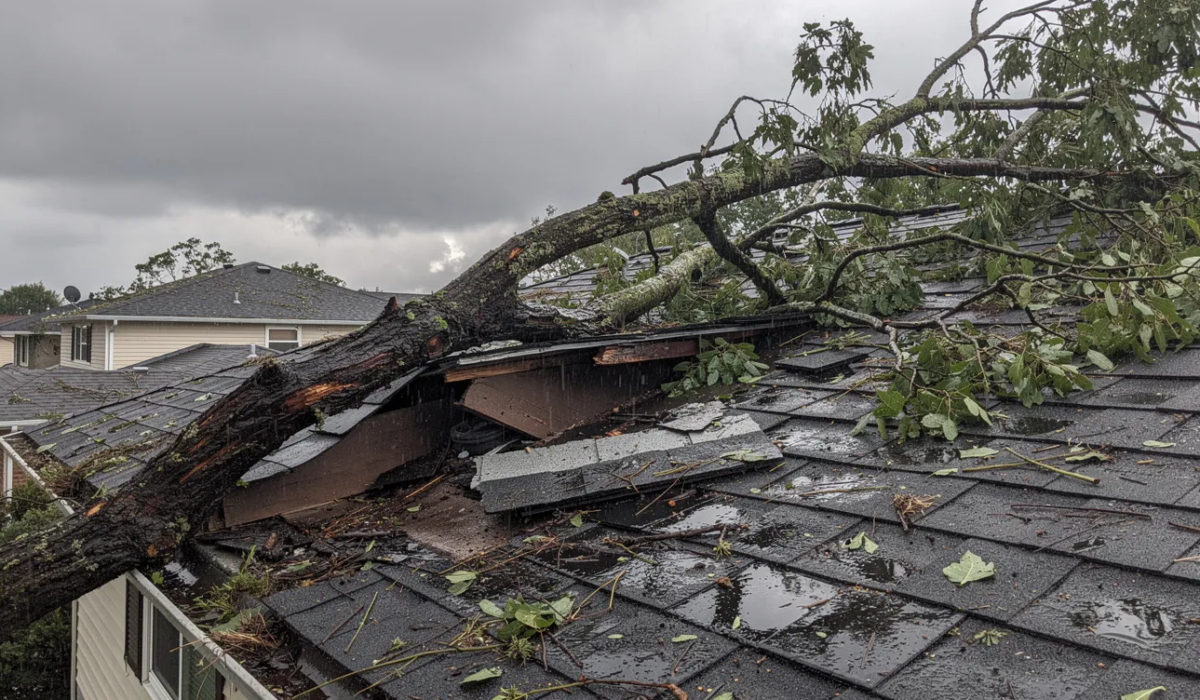
- Mature tree canopy. Neighborhoods near Rocky River Reservation and the older streets along Hilliard Boulevard are heavily treed. Falling branches cause direct roof damage, and heavy foliage from mature trees can cause clogged gutters and drainage issues throughout the year.
- Older housing stock. Most Rocky River roofs were built between 1950 and 1980. Many sit on original framing, have seen multiple re-roofings, and carry outdated ventilation or past patchwork repairs that do not meet current standards.
Even without a visible leak, these conditions weaken shingles, flashing, and roof decking gradually, making periodic professional inspection especially important for Rocky River homeowners.
1. Missing, Lifted, and Creased Shingles
Wind coming off Lake Erie is the leading cause of shingle damage on Rocky River roofs. Wind can lift shingles, breaking sealant bonds and causing leaks, especially on lakeward-facing slopes and homes with steep pitches that catch more wind.
Understanding the types of shingle damage helps you know what to look for:
- Missing shingles are blown completely off, leaving exposed underlayment or bare roof decking.
- Lifted shingles have raised shingle edges but remain attached, with broken adhesive strips underneath.
- Creased shingles show a visible bend line where the tab has been repeatedly flexed by gusts, weakening the material even if it has not yet torn free.
Damaged shingles allow water to seep into underlying layers, so even damage that is not immediately visible as a leak can become one after the next rain. Roofers inspect for wind damage by gently lifting shingles to test the factory seal, looking for torn nail holes, and checking for consistent damage patterns on windward slopes.
If your roof is newer and only a small area is affected, minor repairs with matching materials may be sufficient. When wind damage is widespread, shingles are brittle, or the roof has been in service for over two decades, discussing roof replacement with a roofing professional is the better long-term move. Insurance may help cover storm damage after a significant wind event, but documentation and timely repairs are crucial.
2. Roof Leaks and Hidden Water Intrusion
Roof leaks in Rocky River homes often show up as water stains on ceilings, peeling paint, or musty odors in attic spaces – sometimes weeks or months after the actual water intrusion began. Water travels along rafters, insulation batts, and sheathing before dripping to a visible spot, so the stain in a bedroom or hallway is rarely directly under where water entered the roofing system.
Common leak locations include:
- Chimney bases and flashing
- Plumbing vent stacks and other roof penetrations
- Valleys between roof planes
- Skylights
- Roof-to-wall transitions and wall intersections (like where a porch or garage roof meets the house)
- Areas with damaged or missing shingles
When diagnosing leaks, a roofing contractor checks attic spaces for wet insulation or mold, examines flashing and underlayment, and probes for soft spots in decking. Emergency services include leak detection and temporary repairs, and emergency crews use tarping materials to stop water intrusion immediately when severe leaks develop during a storm.
Early leak detection prevents far worse outcomes. Do not rely solely on repainting a stained ceiling. Schedule a professional roof inspection to address the root cause before minor leaks become major repairs requiring structural repair.
3. Chimney Flashing Problems
Many Rocky River homes have masonry chimneys, and the intersection where brick meets the roof is one of the most leak-prone areas on any asphalt shingle roof. Flashing failures often lead to water penetration and leaks that can go undetected for months.
Chimney flashing has two key components:
- Step flashing: Individual metal pieces woven into each shingle course along the chimney sides.
- Counter flashing: Metal embedded or cut into the chimney mortar joints, overlapping the step flashing to shed water away from the joint.
Common problems include reused flashing from a previous roof, missing or misaligned step pieces, rusted metal, and cracked sealants that have hardened from UV exposure and temperature swings. Excessive roofing cement smeared around a chimney is usually a sign that a previous installer tried to patch rather than properly replace damaged flashing.
Proper chimney flashing repair involves removing shingles around the chimney, installing new step and counter flashing that meets local building codes, and integrating it correctly with underlayment and ice and water shield. Simply adding more caulk over old flashing is a temporary fix at best and often hides worsening damage.
If you see water stains or bubbling paint near a fireplace wall, request a chimney flashing evaluation. A reputable roofing contractor will explain what they find and recommend whether you need to replace damaged flashing or address broader issues.
4. Ice Dams During Northeast Ohio Winters
Ice dams form when warm attic air melts snow on the upper roof, the meltwater runs down to cold eaves, refreezes, and builds a ridge of ice that traps water behind it. Ice dams can force water under shingles and into walls, causing stained ceilings, saturated insulation, and wood rot – even when the shingles themselves are in decent condition.
Lake-effect snow contributes to ice dam formation on roofs in Rocky River by delivering heavy, frequent snowfall that sits on roof surfaces for extended periods. Ice dams form due to poor attic insulation and ventilation, which allow heat from the living space below to warm the roof deck unevenly.
Contributing factors common in older Rocky River homes:
- Inadequate attic insulation
- Air leaks around recessed lights, attic hatches, and ductwork
- Poor ventilation that traps warm air against the roof deck
- Complex rooflines with valleys that concentrate meltwater
Long-term solutions focus on the attic, not the roof surface: adding insulation, sealing air leaks, and installing balanced intake and exhaust ventilation. Ice and water shield membranes should extend at least three feet past the exterior wall line at eaves and valleys. Avoid aggressive DIY ice removal – chopping or prying ice at the eaves can damage shingles and gutters. When ice dams cause immediate repair needs, professional ice dam prevention and removal services prevent leaks and protect the roofing system.
5. Poor Attic Ventilation
Rocky River’s temperature swings – from sub-freezing winters to humid summers – make proper ventilation one of the most important factors in roof longevity. Poor ventilation creates problems year-round.
Inadequate ventilation can accelerate shingle deterioration by trapping heat against the roof deck in summer. Poor ventilation increases cooling costs in summer and forces HVAC systems to work harder, hurting energy efficiency. In winter, trapped moisture from poor ventilation can cause wood rot on sheathing and rafters, and proper ventilation prevents mold growth in attics by allowing excess moisture to escape.
The basic concept is straightforward: cool, dry air enters through soffit vents at the eaves (intake) and exits through ridge vents or roof vents at the top (exhaust), creating continuous airflow through attic spaces. Balanced ventilation requires one square foot of net free area per 150 square feet of attic space, split between intake and exhaust.
Common ventilation problems in Rocky River homes include:
- Soffit vents painted over or blocked by insulation
- Older box vents that do not provide enough exhaust
- Mixing incompatible vent types that short-circuit airflow
- Debris blocking attic vents
During a roof inspection, roofers measure existing vent area, check for condensation on nails or sheathing, and look for mold or mildew staining. Ventilation upgrades are often best completed during roof replacement, but clearing blockages and adding soffit vents can be done as part of repair work to prevent leaks and extend roof life.
6. Aging and Granule Loss on Asphalt Shingles
Traditional asphalt shingles are the most common roofing material on Rocky River roofs, and they do not last forever. Asphalt shingles last 20 to 25 years in Rocky River, with architectural shingles trending toward the upper end and three-tab shingles often reaching only 15 to 20 years under the region’s conditions. High humidity in summer combined with tree cover promotes algae and moss growth on shingles, and homes near Lake Erie face accelerated algae growth and wood rot from persistent moisture.
Granules – the colored, sand-like coating on shingles – protect asphalt from UV rays and weather. When granule loss accelerates, the roof loses its ability to shed water and resist wind effectively.
Signs Rocky River homeowners can look for:
- Piles of granules in gutters and at downspout outlets
- Exposed black asphalt patches on shingles
- Curling or cupping shingle edges
- Cracked or brittle shingles that break easily when lifted
There is a difference between normal wear on a mid-life roof and advanced deterioration where aging materials no longer protect the home. When shingles are brittle and granule loss is widespread, complete roof replacements with high quality materials, updated underlayment, flashing, and ventilation provide better value than continuous patching. Metal roofs offer superior durability and energy efficiency as an alternative, with standing seam metal systems lasting 40 to 70 years. Tile roofs provide long-term durability but are more expensive, and slate roofs can last a lifetime with proper maintenance.
Check your roof’s approximate installation date and have an experienced roofer evaluate condition rather than relying solely on age.
7. Storm and Hail Damage on Rocky River Roofs
Severe weather hits Rocky River from multiple directions: fast-moving summer thunderstorms, lake-effect squalls, and powerful spring and fall wind events. Storm damage can happen quickly and may not be immediately visible from the ground.
Hail damage appears as small impact marks where granules are knocked off, soft bruises you can feel by pressing the shingle, and cracked or fractured shingle mats. Wind damage includes lifted tabs, broken adhesive strips, creased shingle lines, damaged ridge caps, and bent or missing roof vents. Falling branches from mature oaks and maples are a regular source of punctures, torn shingles, and damaged gutters in leafy Rocky River neighborhoods.
After any notable storm – especially those with hail reports or wind gusts over 40 to 50 mph – schedule a professional inspection even if you do not yet see interior leaks. Same-day response is typical for storm damage emergencies, and documentation for insurance claims is provided during emergency repairs. A roofing company will also check collateral damage like dented metal vents, damaged gutters and downspouts, and torn siding.
Careful documentation by a local roofer supports insurance claims and ensures needed roof repairs or complete repairs are properly covered. Timely repairs after storms prevent small roof damage from compounding into expensive repairs.
8. Gutter and Drainage Problems
Gutters are part of the overall roofing system, responsible for moving water from the roof to the ground safely. When they fail, the consequences extend well beyond the gutter itself.
Common gutter issues in Rocky River:
- Clogged gutters from leaf litter, seed pods, and organic debris
- Improper gutter pitch that allows standing water
- Sagging or damaged sections pulled loose by ice weight
- Disconnected or crushed downspouts
- Damaged gutters from falling branches or ice loading
Clogged gutters can cause water to back up under shingles, saturate fascia boards, and overflow down exterior walls, leading to siding and foundation problems. During winter, ice buildup in gutters worsens ice dams and places extra weight on gutter hangers.
Homeowners should clean gutters at least twice a year – once in late fall after leaves drop and again in spring – to maintain proper drainage. Proper downspout extensions, timely repair of damaged sections, and proactive maintenance of the gutter system help prevent leaks and protect the home’s foundation. Roofers look for staining behind gutters, rotted fascia, and evidence of water getting behind gutter runs at roof edges during inspections.
9. Damaged or Rotten Roof Decking
Roof decking – the plywood or OSB sheathing beneath the shingles – is the structural base of the roofing system. When it is compromised by long-term leaks or chronic moisture, the entire roof is at risk of structural damage.
Warning signs include a wavy or sagging roofline, soft or bouncy areas underfoot (roofers notice this immediately), and persistent interior staining or musty odors from the same location. Common causes are slow leaks around chimneys, valleys, and vents; long-term ice dam damage; and excess moisture trapped by clogged gutters or damaged flashing.
Roofers often cannot fully assess decking condition until old roofing materials are removed. Honest roofing contractors in Rocky River prepare homeowners for possible deck repair during a new roof installation. Replacing rotten or delaminated decking is essential – nails do not hold in compromised wood, and future leaks are almost guaranteed if bad decking is left in place.
During roof replacement, ask for photos of any decking repairs for your records. Roof size and the extent of decking damage will influence the final cost, but skipping this step undermines the entire investment.
10. Improper Previous Roofing Work
Not all past roofing work on Rocky River homes has been done to manufacturer specifications or current codes. Improper installation and hidden shortcuts from previous jobs are a frequent source of today’s leaks.
Common installation errors experienced roofers find:
- Incorrect nail placement (too high on the tab or over-driven)
- Missing or improperly installed starter courses
- Inadequate or misaligned underlayment
- Poorly installed or missing flashing at chimneys, walls, and skylights
- Multiple layers of old shingles left in place
- Unbalanced or insufficient attic ventilation
Excessive roofing cement or caulk often signals that a previous installer tried to hide problems instead of fixing them. Roofing materials must meet local building code requirements, and improper installation can void manufacturer warranties, leaving homeowners unprotected even when the shingles are relatively new. Proper installation techniques and quality installations are what separate a roof that lasts from one that fails prematurely.
Rocky River homeowners purchasing older homes or homes with unknown roof history should schedule a thorough inspection to identify past shortcuts before problems escalate. Reputable contractors will explain discovered issues in plain language, show photos, and outline repair or replacement options without pressure.
Repair or Replace? How Rocky River Homeowners Should Decide
Deciding between roof repair and full roof replacement depends on roof age, extent of damage, and long-term goals – not just a single leak. Here is a comparison:
| Factor | Roof Repair | Roof Replacement |
|---|---|---|
| Roof age | Under 12–15 years old | 18–25+ years old |
| Damage extent | Localized (one section or slope) | Widespread across multiple slopes |
| Leak frequency | Isolated leak, first occurrence | Multiple recurring leaks in different areas |
| Shingle condition | Healthy, flexible, intact seals | Brittle, cracked, widespread granule loss |
| Decking condition | Solid, no soft spots | Noticeable soft areas or sagging |
| Material matching | Matching shingles readily available | Discontinued color or style |
| Budget timeline | Address immediate need | Long-term investment in a new roof |
Roof age alone should not make the decision. The overall roofing system – shingles, decking, flashing, and ventilation – should be evaluated by a roofing contractor Rocky River homeowners trust. Ask for both repair and replacement options with clear cost and lifespan expectations so you can make an informed choice. Sometimes what seems like minor leaks on the surface masks conditions that make full roof replacements the more cost-effective path.
Warning Signs Rocky River Homeowners Should Never Ignore
Use this checklist to compare against what you see at your own property:
- Missing, lifted, or curled shingles
- Shingle pieces or granules in the yard or at the bottom of downspouts
- Dark streaks, algae, or moss on roof surfaces
- Water stains on ceilings or along upper walls
- Damp or moldy smells in the attic
- Visible sagging areas on the roof or along ridges
- Cracked, rusted, or missing flashing around chimneys and vents
- Water dripping behind gutters or rotted fascia boards
- Frequent ice dams or heavy icicle formation each winter
- Visible damage after storms (branches on roof, bent gutters, dented vents)
If you notice any of these signs – especially more than one at the same time – contact a local roofing company for a professional evaluation. Do not climb steep or icy roofs yourself. Safety comes first, and a qualified roof inspection provides far more reliable information.
When Should You Schedule a Professional Roof Inspection?
Proactive roof inspections cost far less than waiting until severe leaks or storm damage forces emergency repairs. Regular inspections can identify potential roofing problems early and prevent costly repairs that result from years of unchecked damage.
Schedule a roof inspection:
- After major wind or hail storms impacting Rocky River or nearby Lakewood, Fairview Park, or Bay Village
- When you first notice interior leaks, ceiling stains, or attic moisture
- Before buying or selling a home to understand roof condition and remaining lifespan
- When the roof reaches 15 to 20 years of age, even if no leaks are visible
- After noticing multiple missing or damaged shingles, damaged gutters, or chimney issues
Professional inspections are recommended for roofs over 15 years old or after major storms. A thorough inspection should evaluate shingles, flashing, gutters, attic ventilation, insulation near the roof deck, and any signs of deck movement or sagging. Experienced inspectors use moisture meters and cameras to identify hidden water intrusion around chimneys, valleys, and roof penetrations.
A reputable contractor should provide photos, a clear written summary, and honest recommendations – whether that is simple maintenance, targeted repair, or planning a future roof replacement.
Homeowner Roof Inspection Checklist (What You Can Safely Look For)
You do not need to climb your roof to spot warning signs. Here is what you can check safely from the ground and attic:
Exterior ground-level checks:
- Use binoculars to look for missing, curled, or cracked shingles
- Scan for uneven or sagging rooflines
- Check for rusted, loose, or missing chimney and wall flashing
- Look for heavy granule accumulation at downspout outlets
- Inspect gutters for sagging, pulling away, or visible clogs
Safe attic checks:
- Look for dark staining or wet spots on the underside of roof decking
- Check insulation for dampness or compressed, matted areas
- Look for daylight shining through around vents, chimneys, or roof edges
- Note any strong musty odors that could indicate mold or chronic moisture
If any red flags appear, or if you are unsure what you are seeing, the next step is to schedule a professional roof inspection. Never walk on the roof yourself, especially on wet, steep, or icy surfaces – leave that to a qualified roofing professional with the right safety equipment.
Frequently Asked Questions About Roofing Problems in Rocky River
What are the most common roofing problems in Rocky River, Ohio?
The most frequent issues include missing or damaged shingles from high winds, roof leaks around chimneys and vent penetrations, ice dams during winter, poor attic ventilation, clogged or damaged gutters, storm and hail damage, and aging shingles with advanced granule loss. These problems are driven by Rocky River’s Lake Erie climate and the fact that much of the housing stock dates to the mid-20th century, meaning many homes are running on aging roofing systems that have seen decades of severe weather.
How can I tell if wind damaged my roof?
From the ground, look for missing shingles, tabs flapping in the breeze, and debris patterns in the yard after a storm. Not all wind damage is obvious. A roofer will check for broken adhesive seals, subtle creasing, and damage concentrated on windward slopes. Emergency roofing services are available 24/7 for urgent repairs when wind damage causes an immediate repair need or active leak.
How long do asphalt shingle roofs typically last in Rocky River?
Expect 20 to 25 years from architectural asphalt shingles and 15 to 20 years from three-tab shingles, depending on installation quality, ventilation, and exposure. Constant wind, ice, and lake-effect snow can shorten that range. Have your roof inspected once it passes the 15-year mark to plan ahead and avoid being caught off guard by sudden failure.
Does homeowners insurance cover storm-damaged roofs?
Many policies cover sudden, accidental storm damage from wind, hail, or falling branches, but not normal wear and tear or deferred maintenance. Document damage promptly with photos, contact your insurer, and work with a local roofing company that provides detailed inspection reports and estimates to support your insurance claims.
How do I choose a roofing company in Rocky River?
Look for a company with a physical local presence and references in Rocky River or nearby West Side Cleveland communities, proper licensing and insurance, manufacturer training, and clear written estimates. Avoid high-pressure sales tactics. Ask about warranties, cleanup practices, and how the contractor handles roof inspections, storm damage communication, and complete repairs from start to finish. Rocky River OH has reputable contractors who will walk you through every finding and recommendation without pressure.
Conclusion: Protect Your Rocky River Home with Proactive Roof Care
Common roofing problems in Rocky River – missing shingles, leaks, chimney flashing issues, ice dams, poor ventilation, gutter failures, and aging shingles – are the result of Lake Erie weather acting on older roofs across many seasons. Proactive maintenance and early detection through regular visual checks and periodic professional roof inspections can prevent small issues from turning into expensive structural repairs or emergency situations.
Phoenix Roofing & Solar is a trusted local roofing contractor serving Rocky River homeowners with roof inspection, roof repair, roof replacement, storm damage assessments, and help navigating insurance claims. If you see any warning signs – or if you are simply unsure about your roof’s condition – schedule a professional roof inspection before the next big storm or winter season. Catching problems early is always less costly than waiting for them to find you.